
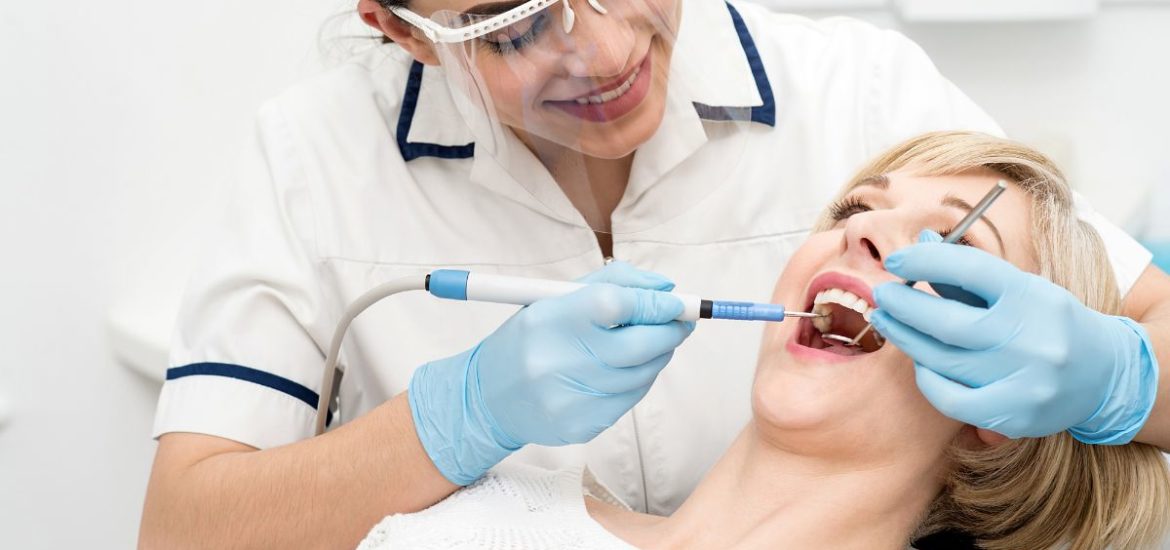
Most people assume that if they brush and floss regularly, a standard dental cleaning is enough. But sometimes, even with good habits, plaque and bacteria build up beneath the gumline where a routine cleaning can’t reach. That’s when a deep cleaning may be necessary.
If you’ve been told you might need more than a regular cleaning, it’s natural to have questions. Understanding why it’s recommended—and how it protects your long-term oral health—can help you make a confident decision with your dentist.
Meet Dr. Svans: A Prevention-Focused Approach to Gum Health

Dr. Svans graduated from the University of the Pacific Dental School in San Francisco in 1997, but he views earning his DDS as just the beginning of his education. As a lifelong student, he continually studies advancements in preventive, periodontal, esthetic, restorative, implant, orthodontic, and sleep apnea dentistry.
His philosophy is simple: diagnose and treat every condition as if the patient were a member of his own family. That means taking time to understand not only what is happening in your mouth, but why it developed in the first place.
With an artistic eye and an engineering mind, Dr. Svans approaches gum disease with precision and long-term success in mind. He believes that accurate diagnosis is the foundation of effective periodontal treatment. His compassionate, one-on-one approach ensures that each patient understands their condition and feels comfortable moving forward with care.
If you’re experiencing symptoms of gum disease or have been told you may need a deep cleaning, don’t wait. Schedule your appointment with Dr. Svans today and take the first step toward healthier gums and a stronger, more confident smile.
What Is a Deep Cleaning?
Deep cleaning, also known as scaling and root planning, is a non-surgical periodontal treatment used to treat gum disease.
Unlike a routine dental cleaning, which focuses on removing plaque and tartar above the gumline, a deep cleaning targets:
- Plaque and calculus below the gumline
- Bacteria trapped in periodontal pockets
- Inflamed gum tissue
- Early bone loss associated with gum disease
The goal is to stop the infection, reduce inflammation, and allow the gums to reattach more securely to the teeth.
Signs You May Need a Deep Cleaning
Gum disease often develops quietly. Many patients don’t realize there’s a problem until symptoms become more noticeable. Your dentist may recommend a deep cleaning if you have:
Bleeding Gums
If your gums bleed when brushing or flossing, that’s not normal. Bleeding is often an early sign of gingivitis or periodontal disease.
Persistent Bad Breath
Chronic bad breath (halitosis) can be caused by bacteria accumulating beneath the gumline.
Swollen or Tender Gums
Red, puffy, or sore gums indicate inflammation, often due to bacterial infection.
Gum Recession
If your teeth look longer than they used to, your gums may be pulling away. Receding gums can signal advancing periodontal disease.
Deep Periodontal Pockets
During your exam, your dentist will measure the space between your teeth and gums. Healthy pockets are typically 1–3 millimeters deep. Deeper pockets may indicate an infection requiring scaling and root planing.
Loose Teeth
As gum disease progresses, the bone supporting the teeth can deteriorate, causing mobility.
What Causes Gum Disease?
Gum disease develops when plaque—a sticky film of bacteria—remains on the teeth and hardens into tartar. Once tartar forms below the gumline, it cannot be removed with brushing alone.
Common risk factors include:
- Inconsistent oral hygiene
- Smoking or tobacco use
- Diabetes
- Hormonal changes
- Genetics
- Skipping regular dental cleanings
Even patients who brush daily may develop periodontal disease if bacteria accumulate in hard-to-reach areas.
What Happens During a Deep Cleaning?
Scaling and root planing is typically completed over one or more visits, depending on the severity of the infection.
Scaling
Special instruments remove plaque and tartar from above and below the gumline.
Root Planning
The tooth roots are smoothed to discourage further bacterial buildup and help the gums reattach properly.
Local anesthesia is often used to ensure comfort. Mild soreness afterward is normal, but most patients return to normal activities quickly.
Is a Deep Cleaning Painful?
This is one of the most common concerns. With modern techniques and local anesthetic, most patients report minimal discomfort during the procedure.
After treatment, you may experience:
- Mild tenderness
- Slight swelling
- Temporary sensitivity
These symptoms usually resolve within a few days.
Why Early Treatment Matters
Gum disease does not resolve on its own. Left untreated, it can lead to:
- Advanced bone loss
- Tooth mobility
- Tooth loss
- Increased risk of systemic inflammation
Deep cleaning helps stop the progression before surgical intervention becomes necessary.
Dr. Svans emphasizes preventive and early intervention care because it protects both your smile and your overall health. By identifying periodontal disease early, your dentist can help preserve your natural teeth and avoid more complex restorative procedures.
Deep Cleaning vs. Regular Cleaning: What’s the Difference?
| Regular Cleaning | Deep Cleaning |
|---|---|
| Preventive | Treats active infection |
| Cleans above gumline | Cleans below gumline |
| For healthy gums | For gum disease |
| Typically twice per year | As needed based on diagnosis |
A deep cleaning is not an “extra” cleaning—it is a medically necessary periodontal therapy when gum disease is present.
Maintaining Healthy Gums After Treatment
After scaling and root planing, maintenance is essential. Your dentist may recommend:
- Periodontal maintenance visits every 3–4 months
- Improved brushing and flossing techniques
- Antibacterial rinses
- Monitoring pocket depths regularly
Dr. Svans works one-on-one with each patient to customize a care plan that supports long-term success. His team prioritizes education so you understand how to protect your investment in your oral health.
When Should You See a Dentist?
If you notice bleeding gums, persistent bad breath, gum recession, or tooth sensitivity, it’s time to schedule an evaluation. Early diagnosis is key.
Even if you’re unsure whether your symptoms are serious, an exam can provide clarity and peace of mind. Remember, gum disease often progresses silently. Routine periodontal evaluations help catch issues before they become advanced.
Schedule Your Appointment Today
If you’ve been told you may need a deep cleaning—or you’re experiencing symptoms of gum disease—don’t wait. Early treatment protects your teeth, your gums, and your long-term oral health.
Schedule an appointment with Dr. Svans and his caring team today. A personalized evaluation will determine whether a deep cleaning is necessary and help you take the next step toward healthier gums and a stronger smile.
Frequently Asked Questions
1. How do I know if I need a deep cleaning instead of a regular cleaning?
Your dentist will measure your gum pocket depths and evaluate for signs of inflammation, bleeding, and bone loss. Pockets deeper than 3 mm often indicate periodontal disease requiring scaling and root planing.
2. How long does a deep cleaning take?
The procedure may take one to two visits, depending on the severity of gum disease and how many areas require treatment.
3. Will my insurance cover a deep cleaning?
Many dental insurance plans provide coverage for periodontal treatment when medically necessary. Your dental office can review your benefits and provide an estimate.
4. Can gum disease come back after a deep cleaning?
Yes, without proper maintenance and home care, bacteria can build up again. Regular periodontal maintenance visits are essential.
5. How soon will my gums heal after treatment?
Initial healing often begins within a few days. Full gum stabilization may take several weeks, depending on severity and home care habits.
6. Can I prevent needing a deep cleaning in the future?
Yes. Consistent brushing, daily flossing, regular dental visits, and professional cleanings significantly reduce your risk of developing periodontal disease.


