
If you smoke and are thinking about Dental Implants, you are not alone. Many patients ask the same question, “Is it still possible for me?” The short answer is yes, but there are some risks you should understand before you decide.
This guide will walk you through what smoking does to your oral health, how it affects Dental Implants, and what you can do to improve your chances of success.
Meet the Dentist Behind Your Care
 At SVANS DENTISTRY, patient care is built on skill, trust, and long-term results.
Dr. Svans earned his DDS from the University of the Pacific Dental School in San Francisco in 1997. Since then, he has stayed active in learning new methods in implant care, gum health, smile design, and full-mouth treatment. He believes every diagnosis should be precise and every treatment should last.
What sets his care apart is how he sees each patient. He treats every case as if it were for a family member. This helps him find the real cause of dental problems, not just the symptoms.
Patients also value his balance of art and science. He plans each case with both function and appearance in mind, so your smile looks natural and feels strong.
If you want to speak directly with a dentist who takes the time to explain your options, call SVANS DENTISTRY today and get clear answers for your smile.
How Smoking Affects Oral Health
Smoking does more than stain teeth. It slows healing and reduces blood flow to your gums. This creates a weak foundation for any dental work.
Some common issues seen in smokers include:
- Gum disease
- Bone loss
- Delayed healing after dental procedures
- Higher risk of infection
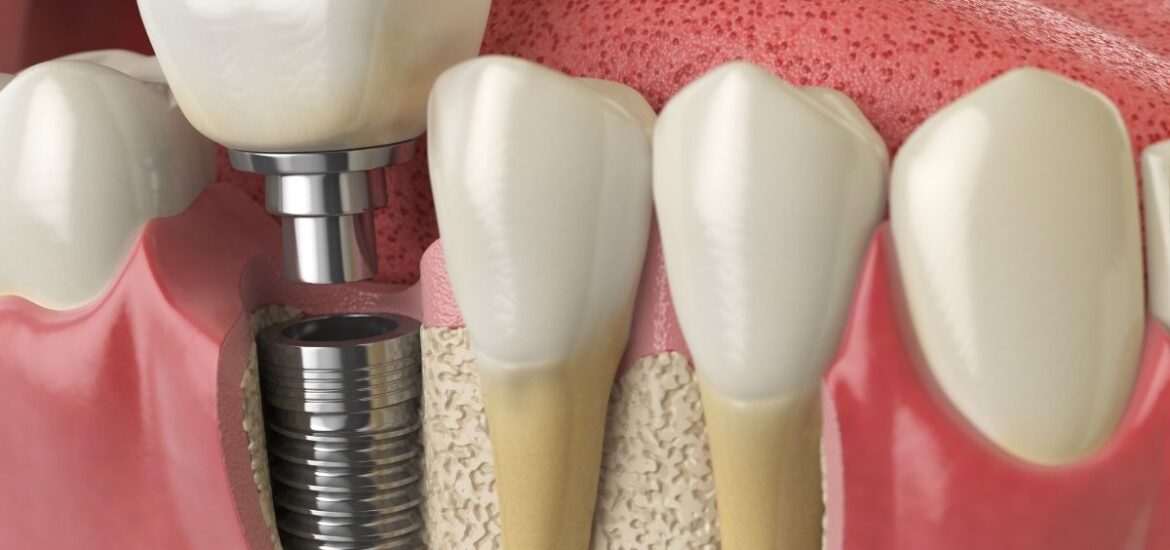
These factors play a key role when placing Dental Implants, because implants depend on healthy bone and gum tissue to stay secure.
Can Smokers Still Get Dental Implants?
Yes, smokers can still get Dental Implants. But the success rate may be lower compared to non-smokers.
The main concern is a process called osseointegration. This is when the implant bonds with your jawbone. Smoking can slow or stop this process.
That does not mean failure is certain. Many smokers have successful results, especially when they follow the right care plan and make small lifestyle changes before and after the procedure.
Risks You Should Know
It is important to be clear about the risks so you can make an informed choice.
1. Slower Healing
Nicotine reduces blood flow, which delays healing after implant surgery.
2. Higher Chance of Infection
Smoking can increase bacteria in the mouth, leading to infection around the implant.
3. Implant Failure
In some cases, the implant may not bond well with the bone.
4. Gum Problems
Healthy gums are key to long-term success. Smoking can weaken gum tissue over time.
Success Tips for Smokers Considering Dental Implants
If you are serious about getting Dental Implants, there are ways to improve your outcome.
Quit or Reduce Smoking
Stopping smoking, even for a short time before and after surgery, can improve healing. Many dentists suggest quitting at least one to two weeks before the procedure.
Follow Aftercare Instructions
Proper care after surgery is critical. This includes keeping the area clean and attending follow-up visits.
Maintain Good Oral Hygiene
Brush and floss daily. Clean gums help implants stay stable.
Choose an Experienced Dentist
Skill and planning matter. A dentist with experience in implant cases can reduce risks and guide you better.
Regular Checkups
Routine visits help catch early signs of problems before they become serious.
What to Expect During the Process
Getting Dental Implants is a step-by-step process. It usually includes:
- Initial exam and imaging
- Treatment planning
- Implant placement
- Healing period
- Final crown placement
Each step is planned based on your oral health, lifestyle, and goals.
Patients in Scottsdale often prefer implants because they offer a stable and long-term solution for missing teeth. With proper care, they can last for many years.
Why Personalized Care Matters
No two patients are the same. A smoker with healthy bones may have a better outcome than someone with gum disease.
That is why a one-on-one consultation is important. This allows the dentist to assess your risk and suggest the best path forward.
At SVANS DENTISTRY, care plans are built around your needs, not a standard template. This helps improve results and keeps your treatment on track.
Conclusion: Take the First Step Toward a Stronger Smile
Smoking does increase the risks, but it does not rule out Dental Implants. With the right care, proper planning, and a commitment to your oral health, success is still possible.
If you are considering your options, now is the time to take action. Schedule a consultation with SVANS DENTISTRY to understand what is best for your smile. You can also contact our SVANS DENTISTRY office to speak with the team and plan your next step with confidence.
Frequently Asked Questions
1. Can smokers safely get dental implants?
Yes, smokers can get Dental Implants, but there are added risks. Smoking reduces blood flow in the gums, which can slow healing after surgery. This can affect how well the implant bonds with the jawbone. Many smokers still have successful outcomes, especially when they follow proper care steps and reduce smoking during the healing phase.
2. How does smoking affect the healing process after implant surgery?
Smoking slows down the body’s natural healing response. After implant placement, your body needs to form a strong bond between the implant and the bone. Nicotine limits oxygen and blood supply, which can delay this process. This may increase the risk of infection or implant failure if not managed properly.
3. Should I quit smoking before getting dental implants?
It is strongly recommended. Even stopping smoking for a short time before and after the procedure can improve healing and increase success rates. Many dentists advise quitting at least one to two weeks before surgery and continuing to avoid smoking during the healing period for the best results.
4. What are the signs that an implant may be failing?
Early signs of implant problems can include pain that does not go away, swelling, gum irritation, or the implant feeling loose. In some cases, there may be bleeding around the area. Regular checkups help detect these issues early so they can be treated before they worsen.
5. How can smokers improve their chances of implant success?
Smokers can take several steps to improve results. Reducing or stopping smoking during recovery is the most important. Good oral hygiene, including daily brushing and flossing, also plays a key role. Attending follow-up visits and following your dentist’s aftercare instructions can greatly increase the chances of long-term success.
6. Are there alternatives if implants are not suitable for smokers?
Yes, there are other options if implants are not the best choice. Dental bridges and dentures are common alternatives. The right option depends on your oral health, bone condition, and personal needs. A detailed dental exam will help determine the most suitable solution for you.


