
Are you considering tooth replacement but worried about whether you’ll need additional procedures first? This is one of the most common questions people ask when exploring their options for permanent tooth restoration. The truth is, not everyone needs a bone graft before getting an implant, but understanding when it’s necessary can help you plan your treatment with confidence.
Many people feel anxious when they hear terms like “bone grafting” during their consultation. However, this procedure has become routine and highly successful, helping thousands of patients achieve stable, long-lasting results. Whether you’ve been missing teeth for years or recently lost one due to injury or decay, knowing what to expect can ease your concerns and help you make informed decisions about your oral health.
Living in the Phoenix area means you have access to advanced dental technology and treatment options. Let’s explore when bone grafting becomes necessary, what factors influence this decision, and how the process works so you can move forward with clarity.
Understanding the Role of Your Jawbone in Tooth Replacement
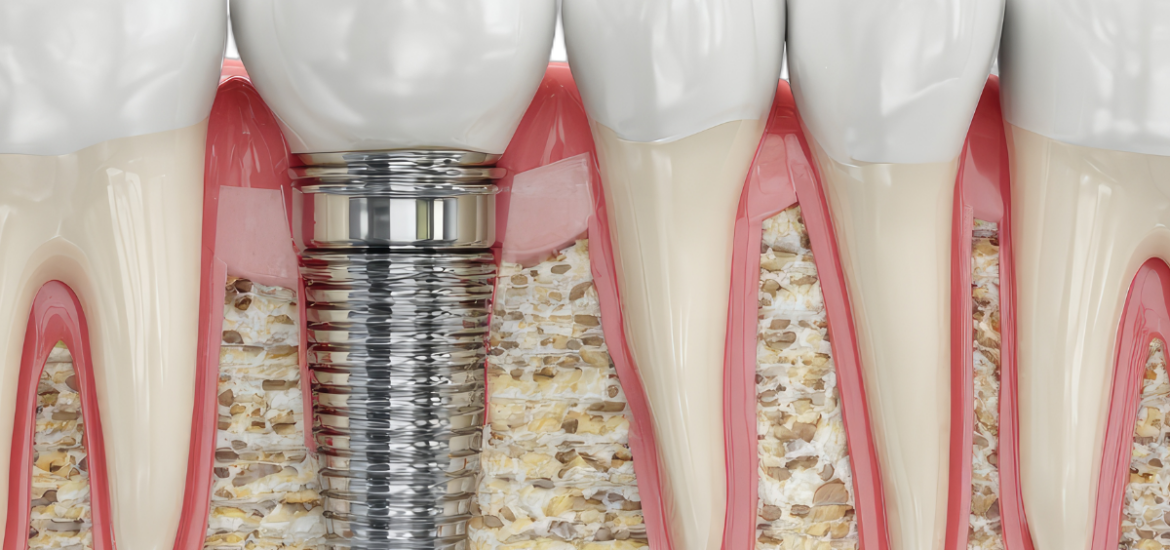
Your jawbone plays a crucial role in supporting permanent tooth replacements. Dental implants require sufficient bone density and volume to anchor securely and function like natural teeth.
When you lose a tooth, the surrounding bone begins to deteriorate over time. This happens because the tooth root no longer stimulates the bone through daily activities like chewing. Within the first year after tooth loss, you can lose up to 25% of the bone width in that area. This gradual process is why jawbone density and dental implants are closely linked.
The implant post, typically made of titanium, needs to integrate with your bone through a process called osseointegration. This fusion creates a stable anchor for the replacement tooth. However, if there isn’t enough bone to support this process, additional steps become necessary before proceeding with the implant placement.
When Is a Bone Graft Actually Necessary?
Not everyone who gets an implant needs bone grafting. Several factors determine whether this preliminary step is required. Understanding these factors helps you know what to expect during your consultation.
- First, the length of time since tooth loss matters significantly. If you recently lost a tooth, you’re more likely to have sufficient bone for immediate implant placement. On the other hand, if you’ve been missing teeth for several years, bone resorption has probably reduced the available bone volume.
- Second, the location of the missing tooth influences this decision. Upper back teeth often require more frequent grafting because the maxillary sinus lies above them. As the bone deteriorates, the sinus can expand downward, leaving insufficient space for implant placement. This situation often calls for a sinus lift vs. bone graft for implants, or sometimes both procedures.
- Third, the reason for tooth loss plays a role. Teeth lost due to gum disease typically experience more severe bone loss than those extracted due to decay or trauma. Additionally, preoperative infections may have already compromised the surrounding bone structure.
Factors That Determine Your Need for Bone Grafting
Several specific conditions signal when grafting becomes necessary. The dentist in Scottsdale will evaluate these factors during your initial examination to create an appropriate treatment plan.
Bone thickness is one primary consideration. The implant needs at least 1-2 millimeters of bone surrounding it. If your bone is too thin, grafting adds thickness to this dimension to ensure proper support and long-term stability.
Bone height also matters, particularly in the upper jaw. If there’s inadequate vertical bone between your jaw ridge and the sinus cavity, the implant won’t have sufficient length to anchor properly. This scenario often requires grafting to create the necessary height.
Your overall bone quality also affects success rates. Dense, healthy bone provides better support than soft, porous bone. Age, genetics, and health conditions like osteoporosis can influence bone quality. While these factors don’t automatically disqualify you from getting an implant, they might necessitate bone enhancement first.
Previous dental work can also affect bone availability. If you had a tooth extracted years ago and the socket wasn’t preserved with grafting material at the time, you’ve likely lost significant bone volume that now needs restoration.
What Happens During a Bone Grafting Procedure?
Understanding the process can help reduce anxiety about this preliminary step. Bone grafting for dental implants involves placing grafting material into the area where bone is deficient. This material serves as a scaffold that your body uses to grow new bone.
Several types of grafting materials exist. Autografts use bone from another part of your body, often the chin or back of the jaw. Allografts come from donated human bone that’s been processed and sterilized. Xenografts use bone from animal sources, typically bovine. Synthetic options made from calcium phosphate compounds are also available. Your provider will recommend the most suitable bone graft material for dental implants based on your specific situation.
The procedure itself is typically performed under local anesthesia, though sedation options are available for anxious patients. After numbing the area, your provider creates a small opening in the gum tissue, places the grafting material, and covers it with a protective membrane. The gum is then sutured closed.
Many people wonder, “How painful is a dental bone graft?” Most patients report mild to moderate discomfort that’s manageable with over-the-counter pain medication. You may experience some swelling for a few days, but this typically subsides within a week.
How Long Does Healing Take?
The dental bone graft healing time varies depending on the extent of grafting needed. Minor grafts may heal in 3 to 4 months, while more extensive procedures can take 6 months or longer. During this period, your body replaces the grafted material with your own new bone.
Throughout the healing process, your body’s natural bone cells migrate into the graft material and begin depositing new bone. Blood vessels grow into the area, bringing nutrients and oxygen that support bone formation. This gradual transformation creates a solid foundation for your future implant.
Factors that influence healing time include your age, overall health, smoking status, and nutrition. Younger patients typically heal faster than older ones. Non-smokers heal more predictably than smokers. Adequate protein and calcium intake support bone regeneration.
Following post-operative instructions carefully helps ensure optimal healing. This includes eating soft foods, avoiding the surgical area when brushing, and attending all follow-up appointments. Your provider will monitor healing progress and let you know when the site is ready for implant placement.
Can You Avoid Bone Grafting?
Some people wonder about alternatives to bone grafting for implant placement. While grafting is often the most reliable solution, a few other options might work in specific situations.
Shorter or narrower implants can sometimes be placed in areas with limited bone, though they may not be suitable for all locations or chewing forces. Zygomatic implants, which anchor in the cheekbone rather than the jaw, offer another option for severe upper jaw bone loss, though this advanced technique isn’t appropriate for everyone.
Immediate implant placement right after tooth extraction can preserve existing bone and eliminate the need for later grafting. However, this approach only works if the extraction site is healthy and infection-free.
Another consideration is dental implant bone loss prevention. If you’re planning to have a tooth extracted, ask about socket preservation. This involves placing grafting material immediately after extraction to maintain bone volume, potentially eliminating the need for more extensive grafting later.
Finding the Right Care for Your Needs
Choosing where to have your treatment performed matters significantly. When searching for a dental implant bone graft near me, consider factors beyond just convenience. Look for providers who use advanced imaging technologies, such as 3D CT scans, which enable precise evaluation of bone structure and careful treatment planning.
Experience with various grafting techniques and implant systems indicates a provider’s ability to handle diverse situations. A trusted dentist should explain your options clearly, answer all your questions patiently, and create a treatment plan that aligns with your goals and timeline.
Many people appreciate it when their provider offers sedation options for anxious patients. Comfort during the procedure can significantly improve your overall experience. Additionally, clear communication about costs, healing expectations, and follow-up care demonstrates transparency and patient-centered values.
If you’re researching options, visiting a dental office nearby for a consultation allows you to meet the team, see the facility, and ask specific questions about your situation. Most consultations include a thorough examination and discussion of whether grafting is necessary in your case.
Your Path to a Complete Smile Starts Here
Understanding whether you need bone grafting before getting an implant helps you plan both financially and emotionally for your treatment journey. While the prospect of an additional procedure might seem daunting initially, remember that this step significantly improves your long-term success and helps your restoration last for decades.
Modern grafting techniques have become predictable and comfortable, with most patients experiencing minimal disruption to their daily routines. The temporary investment of time and healing pays off with stable, functional tooth replacement that feels and works like your natural teeth.
If you’re ready to explore your options and determine whether bone grafting is necessary for your situation, our team at Svans DENTISTRY is here to help. Dr. Svans provides comprehensive evaluations using state-of-the-art technology to assess your bone structure and recommend the most appropriate treatment approach. Schedule your dental implant consultation in Scottsdale today and take the first step toward restoring your smile with confidence.
Frequently Asked Questions
Q: How do I know if I have enough bone for an implant without grafting?
The only way to know for certain is through a clinical examination and imaging studies. Your provider will take X-rays or a 3D CT scan to measure your bone dimensions precisely. These images reveal bone height, width, and density, allowing your provider to determine whether grafting is necessary or if you can proceed directly to implant placement.
Q: Can I get an implant and bone graft at the same time?
In some cases, yes. If the bone deficiency is minor, your provider might place the implant and add grafting material around it simultaneously. This approach can reduce overall treatment time. However, significant bone loss requires grafting first, followed by a healing period before implant placement. Your specific situation determines which approach works best for you.
Q: What happens if I don’t get a bone graft when I need one?
Proceeding with implant placement without adequate bone significantly increases the risk of implant failure. The implant might not integrate properly with the bone, could become loose over time, or might fail completely. Additionally, insufficient bone can lead to aesthetic problems, particularly in visible areas such as the front teeth, where proper bone support is essential for natural-looking results.
Q: Are there any risks associated with bone grafting procedures?
Like any surgical procedure, bone grafting carries some risks, though complications are rare when performed by qualified professionals. Potential issues include infection, bleeding, swelling, or graft failure. Smoking, poor oral hygiene, and certain medical conditions increase these risks. Following post-operative instructions carefully and maintaining good oral health will help minimize complications and support successful healing.
Q: Can bone grafting fail, and what happens if it does?
While bone grafts have high success rates, failure can occasionally occur due to infection, inadequate blood supply, or patient factors like smoking or uncontrolled diabetes. If a graft fails, your provider will remove the failed material, address any underlying issues, and determine whether attempting another graft is appropriate. Sometimes alternative treatment approaches, such as different implant types or bridge work, become necessary if repeated grafting isn’t successful.


