
If you’re considering dental implants, you’ve probably heard the phrase “bone grafting” at some point and it may have given you pause. Will it add cost? More recovery time? Is it even necessary for you?
These are exactly the right questions to ask. Bone grafting before dental implants is one of the most commonly misunderstood procedures in restorative dentistry. The truth is, not every patient needs it but for those who do, it can mean the difference between a successful implant and one that fails. Understanding why it may be recommended puts you in control of your treatment journey.
What Is Bone Grafting Before Dental Implants?
Bone grafting before dental implants is a preparatory procedure that rebuilds or adds volume to the jawbone, creating a stable foundation for the implant post. Think of it like reinforcing a foundation before building a house if the base isn’t solid, the structure won’t hold.
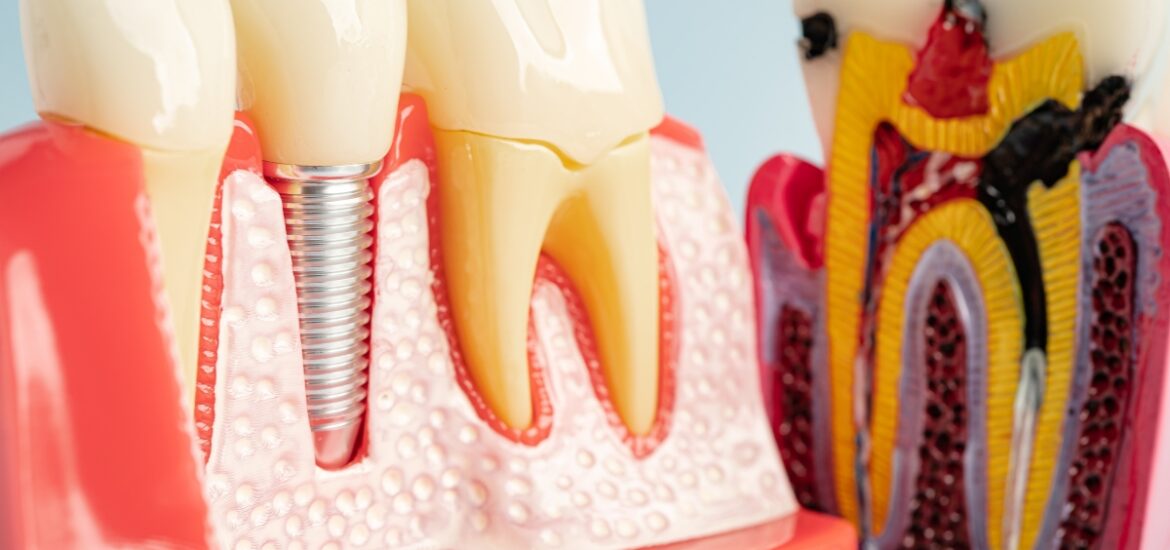
A dental implant is a small titanium post inserted directly into the jawbone, where it fuses with bone over time (a process called osseointegration). For this fusion to happen, there must be enough bone both in height and width to fully surround and support the post.
When that bone isn’t there, a graft provides it.
Why Would Someone Need a Bone Graft?
Bone loss in the jaw is more common than most people realize. It can happen for a variety of reasons:
- Tooth loss: Once a tooth is removed, the bone that once supported it begins to resorb (shrink) within weeks. After a year, significant volume can be lost.
- Gum (periodontal) disease: Advanced gum disease actively destroys the bone surrounding teeth.
- Trauma or injury :Accidents can cause bone loss in the jaw.
- Denture wear :Long-term denture use without implants accelerates bone resorption.
- Congenital conditions :Some patients are born with insufficient bone structure in certain areas.
The longer a tooth has been missing, the more likely it is that bone grafting before dental implants will be part of the treatment plan.
When Is Bone Grafting NOT Necessary?
Here’s the reassuring news: many patients do not require a bone graft at all.
If your jawbone is dense, wide, and tall enough to securely anchor an implant, your dentist can proceed directly to implant placement. This is more likely if:
- The implant is being placed shortly after tooth extraction (“immediate placement”)
- You’ve maintained good oral health and bone density over time
- Only one or two teeth are being replaced and the area has adequate bone
A thorough 3D cone beam CT scan (CBCT) available at modern dental practices like Svans Dentistry PLLC in Scottsdale, AZ will give your dentist a precise picture of your bone volume before any decisions are made.
Types of Bone Grafts Used in Implant Dentistry
If a graft is recommended, the material can come from several sources:
Autograft (Your Own Bone)
Harvested from another area of your body (often the chin or jaw). Considered the gold standard, though it requires a second surgical site.
Allograft (Donor Bone)
Processed bone from a human tissue bank. Widely used and thoroughly screened for safety.
Xenograft (Animal-Derived Bone)
Typically sourced from bovine (cow) bone. Highly biocompatible and commonly used in dental procedures.
Alloplast (Synthetic Material)
Lab-created bone substitute. No donor source is needed, which some patients prefer.
Your dentist will recommend the type best suited to your anatomy, medical history, and the extent of bone loss.
What Does Bone Graft Recovery Look Like?
Recovery from bone grafting is generally manageable. Most patients experience:
- Mild to moderate swelling and tenderness for 3–5 days
- Some bruising around the treated area
- A soft-food diet for 1–2 weeks
After the graft, there’s typically a healing period of 3 to 9 months before implant placement can proceed long enough for the new bone to integrate and mature. In some cases, a graft and implant can be placed at the same time, shortening the overall treatment timeline.
Pain is typically well-controlled with over-the-counter medications, and most patients return to normal activities within a few days.
Bone Grafting Before Dental Implants: Is It Worth It?
Absolutely, when it’s needed. Skipping a recommended bone graft to save time or cost often leads to implant failure, which ultimately costs more to correct. When done properly, bone grafting significantly improves long-term implant success rates, which already exceed 95% in suitable candidates.
It’s an investment in the health of your smile, your bite function, and your confidence for decades to come.
What Patients at Svans Dentistry PLLC in Scottsdale Can Expect
At Svans Dentistry PLLC, located in Scottsdale, AZ 85255, the team takes a thorough, patient-first approach to implant planning. Before recommending any bone grafting procedure, your provider will:
- Perform a comprehensive oral exam
- Review your medical and dental history
- Take advanced 3D imaging to assess bone volume precisely
- Walk you through every step of the proposed treatment including realistic timelines and costs
- Answer every question you have before you make any decisions
You’ll never feel rushed or pressured. The goal is always to find the most conservative, effective path to your best outcome.
Schedule your consultation today and find out whether bone grafting is actually necessary for your specific situation you may be surprised to learn you’re ready for implants sooner than you think.
Questions Patients Often Ask About Bone Grafting and Implants
How do I know if I need a bone graft before getting an implant?
The only definitive way to know is through a 3D imaging scan (CBCT). Clinical exams can suggest it, but bone volume measurements require imaging. Your dentist will assess both the height and width of available bone at the implant site before making any recommendation.
Does bone grafting hurt?
The procedure itself is performed under local anesthesia, so you shouldn’t feel pain during the graft. Afterward, most patients describe the soreness as similar to a tooth extraction uncomfortable but manageable with standard pain relief. Many patients are surprised at how well they tolerate it.
How long does the entire implant process take if I need a bone graft?
With a bone graft, the total process from graft to final crown typically ranges from 6 to 12 months, depending on how quickly your bone heals and integrates. Some cases allow simultaneous graft and implant placement, which can shorten that window.
Can I get dental implants if I’ve had bone loss for many years?
In many cases, yes. Significant bone loss simply means a larger graft may be needed before implant placement but it doesn’t necessarily disqualify you. Advanced grafting techniques have made implants accessible to patients who were once told they weren’t candidates.
Is bone grafting covered by dental insurance?
Coverage varies widely by insurance plan. Some plans cover a portion of bone grafting if it’s deemed medically necessary; others treat it as elective. The team at Svans Dentistry PLLC can review your benefits and discuss financing options to help make your treatment as affordable as possible.
What happens if I skip the bone graft and get the implant anyway?
Placing an implant in insufficient bone significantly increases the risk of implant failure the post may not fuse properly with the surrounding tissue, leading to implant loosening, infection, or loss. It’s a risk most dental professionals strongly advise against, as correcting a failed implant is more complex and costly than doing a graft upfront.
Ready to find out if you’re a candidate for dental implants? Schedule your appointment today and take the first step toward a confident, complete smile.


