
Written for patients seeking clear answers about implant pain, swelling, and urgent dental care.
Quick Answer
Swelling around Dental Implants is normal for a short time after treatment. But swelling that gets worse, lasts for several days, causes pain, bleeding, fever, or trouble chewing may need quick care from an emergency dentist. Early care helps protect your gums, jawbone, and overall oral health.
Quick Answers Before You Read
- Mild swelling after Dental Implants is common for a few days.
- Severe swelling, pus, fever, or a loose implant needs fast attention.
- Aging teeth and gums may heal more slowly and need closer care.
- Quick treatment may help prevent infection and implant failure.
Why Swelling Around Dental Implants Happens
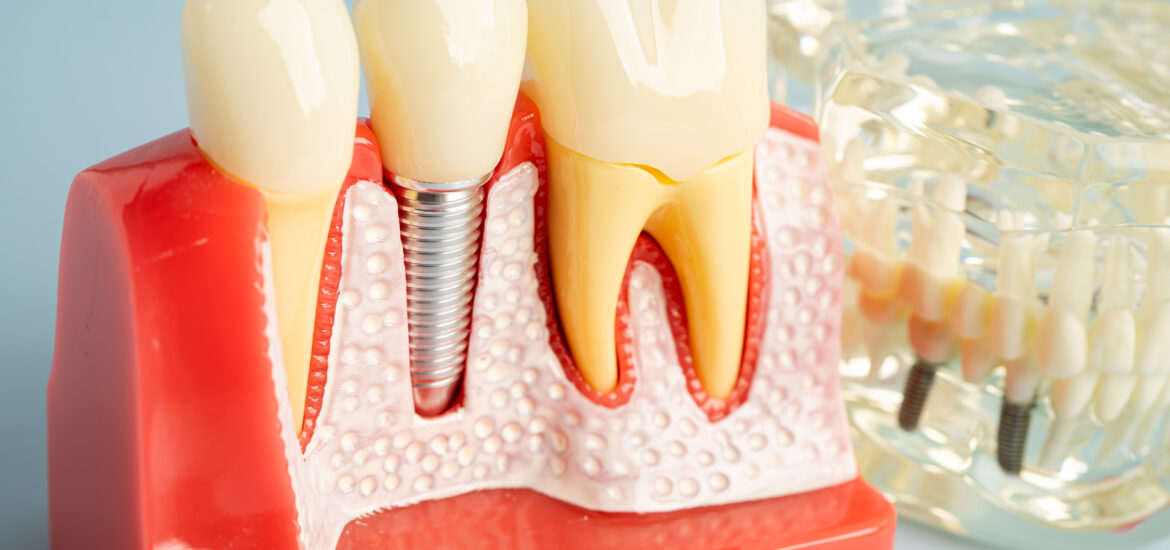
Dental implants replace missing teeth and help support your bite and jaw health. After implant treatment, some swelling is part of the healing process. Your body reacts to the dental work as the area begins to heal.
Many patients in Scottsdale notice mild swelling for two to three days. This can happen after eating, brushing, or sleeping on one side.
Still, not all swelling is harmless.
If the area becomes very sore, hot, or painful, it may point to an infection or pressure around the implant.
People with aging teeth and gums may also notice slower healing. Gum tissue becomes thinner over time, and that can make irritation easier to spot.
Signs You Should Call an Emergency Dentist
Some symptoms should never be ignored. An emergency dentist can check the implant area before the problem gets worse.
Watch for These Warning Signs
- Swelling that grows after several days
- Sharp or throbbing pain
- Bleeding that does not stop
- Bad taste or bad smell in the mouth
- Trouble chewing food
- Pus near the implant
- Fever or swollen glands
- A loose implant or crown
Dental implants should feel stable once healing begins. If something suddenly changes, it is best to get checked quickly.
What Is Normal After Dental Implant Treatment?
Many people worry after seeing swelling for the first time. Mild symptoms are usually expected.
Normal Healing Signs
| Common Symptoms | Usually Normal? |
|---|---|
| Mild swelling for 2 to 3 days | Yes |
| Slight soreness | Yes |
| Minor bruising | Yes |
| Mild gum tenderness | Yes |
| Severe pain | No |
| Pus or discharge | No |
| Loose implant feeling | No |
Healing can vary from person to person. Patients with aging teeth and gums may need more healing time because gum tissue changes with age.
Could Swelling Mean an Infection?
Yes, sometimes.
An infection near Dental Implants may begin when bacteria collect around the gums. Food particles, smoking, poor cleaning habits, or untreated gum disease can raise the risk.
The area may look red and puffy. Some people also notice a bad taste or pain while chewing.
Ignoring these signs can affect the bone around the implant.
That is why an emergency dentist may suggest an exam right away.
What You Can Do at Home Before Your Visit
You can take a few simple steps while waiting to see a dentist.
Helpful Home Care Tips
- Use a cold pack on the outside of the face
- Eat soft foods
- Drink water often
- Avoid smoking
- Keep the mouth clean
- Sleep with your head raised
- Do not poke the swollen area
Do not place aspirin directly on the gums. This can irritate the tissue even more.
If pain or swelling keeps getting worse, call an emergency dentist as soon as possible.
How Aging Teeth and Gums Affect Healing
As we age, our mouth changes too.
Aging teeth and gums may become more sensitive, dry, or thin. This can make healing after Dental Implants take longer than expected.
Older gum tissue may react more strongly to pressure or bacteria. Bone loss from missing teeth can also affect implant healing.
That does not mean implants are unsafe. It simply means regular checkups and quick care matter even more.
Many adults in Scottsdale choose Dental Implants because they help support chewing, speech, and daily comfort as natural teeth age.
When Swelling Becomes an Emergency
You should seek urgent dental care if swelling affects daily life or spreads quickly.
Call an Emergency Dentist If You Have:
- Severe pain that wakes you up
- Swelling near the jaw or neck
- Trouble swallowing
- Fever with mouth pain
- Heavy bleeding
- Sudden implant movement
These symptoms may point to a deeper issue that needs prompt treatment.
Tips to Help Protect Dental Implants Long Term
Good daily habits help reduce future problems.
Smart Ways to Care for Your Implants
- Brush twice each day
- Clean gently near the gums
- Avoid chewing ice
- Visit your dentist regularly
- Wear a night guard if you grind teeth
- Do not ignore gum bleeding
Dental Implants can last many years with proper care. Healthy gums play a big role in long-term success.
People with aging teeth and gums should pay extra attention to signs of irritation or swelling because early care often prevents larger problems.
Conclusion
Swelling around Dental Implants is not always an emergency, but it should never be ignored if it becomes painful, severe, or long lasting. Fast care can help stop infection, protect the implant, and keep your mouth healthy.
Patients with aging teeth and gums may notice slower healing or more gum sensitivity, which makes regular monitoring even more important.
If you are dealing with swelling, pain, or discomfort around your Dental Implants, schedule a consultation with Svans Dentistry PLLC to have the area properly checked. You can also contact our Svans Dentistry PLLC office if you notice sudden changes that require urgent attention.
FAQs on Dental Implants
How long does swelling last after dental implant treatment?
Most swelling improves within two to three days. Mild soreness can last about a week. If swelling grows worse instead of better, it is important to contact a dentist for an exam.
Can gum swelling around implants go away on its own?
Minor irritation may improve with rest and good oral hygiene. Swelling linked to infection or pressure usually needs professional care to prevent more damage.
Why does my implant hurt when I chew?
Pain while chewing may happen from inflammation, pressure on the implant, or irritation around the gums. A dentist can check if the bite or implant area needs attention.
Is bleeding around implants normal?
A small amount of bleeding after treatment can be expected. Ongoing bleeding, swollen gums, or discharge should be checked because these signs may point to infection.
Can older adults heal more slowly after implant treatment?
Yes. Aging teeth and gums may respond more slowly during healing. Gum tissue and bone naturally change over time, which can affect recovery speed.
What foods should I avoid if my implant area is swollen?
Avoid hard, crunchy, spicy, or sticky foods until the swelling improves. Soft foods like soup, yogurt, eggs, and mashed potatoes are often easier on the gums.


