
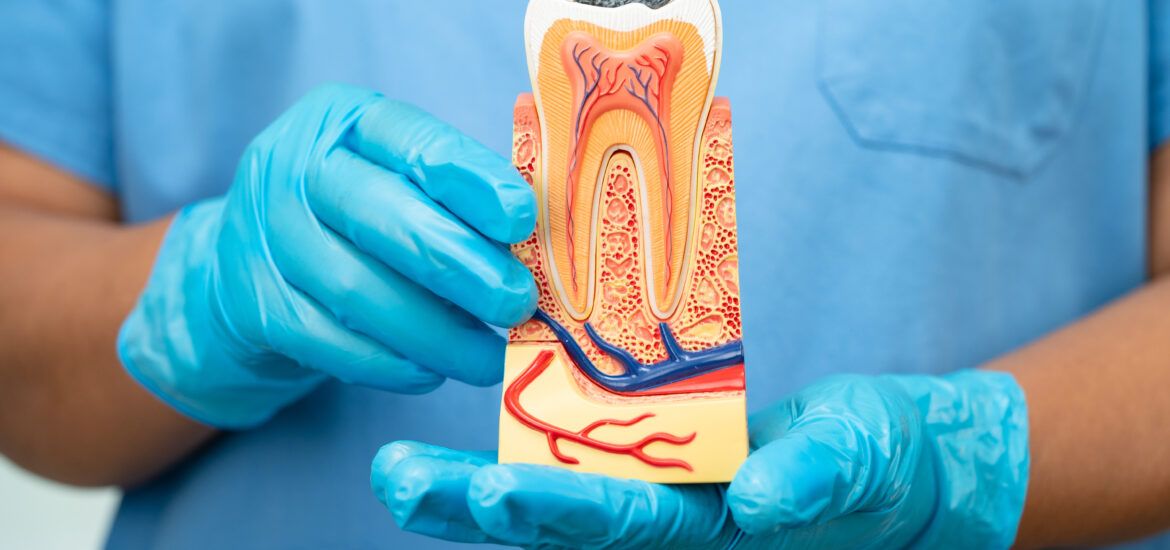
Yes, infection can affect the success of a dental implant. While implants have a very high success rate, untreated infection around the implant area can cause complications. One of the most common problems is dental implant infection, which may lead to inflammation, bone loss, and implant failure if ignored.
Dental implants replace missing teeth with a strong titanium post placed in the jawbone. Over time, the implant fuses with the bone and acts like a natural tooth root. However, just like natural teeth, implants need proper care and monitoring. Without good oral hygiene and regular dental visits, bacteria can build up around the implant and lead to infection.
For patients considering dental implants, understanding infection risks can help protect your investment and ensure long-term success.
Meet Dr. Svans

Dr. Svans graduated from the University of the Pacific Dental School in San Francisco, CA, in 1997. However, receiving his DDS was only the beginning of his dental journey. As a lifelong learner, he continuously studies modern techniques, materials, and technologies that improve patient care.
Through ongoing education, he integrates advances in preventive, periodontal, esthetic, restorative, implant, orthodontic, and sleep apnea dentistry into daily practice. His approach follows a simple rule: diagnose and treat every patient as if they were a member of his own family.
Dr. Svans combines an artistic eye with an engineering mindset. This allows him to solve complex dental problems while creating natural, functional results. By reviewing a patient’s dental history carefully, he can understand why certain problems developed and how to prevent them in the future. He believes that accurate diagnosis is the foundation of long-term treatment success.
His philosophy is simple: people don’t care how much you know until they know how much you care. Every appointment reflects that belief. Dr. Svans works one-on-one with patients to explain treatment options and create personalized care plans. This approach helps patients feel confident about procedures like dental implants and understand how to prevent infection after treatment.
Outside the office, Dr. Svans enjoys an active life with his wife Jenny and their children Sophia and Andrew. The family spends time traveling, camping, hiking, skiing, playing soccer, and enjoying outdoor adventures.
If you’re considering implants and want expert guidance, schedule an appointment to discuss your options and receive a personalized treatment plan.
Understanding Dental Implant Infection
A dental implant infection occurs when bacteria collect around the implant site and irritate the surrounding tissues. This infection often affects the gums and bone supporting the implant.
Early infections may cause mild symptoms. However, untreated infections can progress into a condition known as peri-implantitis, which threatens the stability of the implant.
Common signs of infection include:
-
Red or swollen gums around the implant
-
Bleeding when brushing or flossing
-
Persistent bad breath
-
Pain or tenderness near the implant
-
Loosening of the implant
If you notice these symptoms, visiting your dentist promptly can prevent more serious complications.
Dental Implant Success Rate
Dental implants are one of the most reliable tooth replacement options in modern dentistry. Dental implant success rate often ranges between 95% and 98% when placed and maintained properly.
Several factors influence implant success, including:
-
Bone health and density
-
Proper placement technique
-
Patient’s oral hygiene habits
-
Smoking or tobacco use
-
Medical conditions like diabetes
In many cases, patients who receive dental implants in Scottsdale achieve long-lasting results when they follow proper care instructions and attend regular dental checkups.
What Is Peri-Implantitis?
Peri-implantitis is an advanced infection that affects both the gum tissue and bone around a dental implant. It is similar to gum disease but occurs around implants instead of natural teeth.
This condition develops when plaque and bacteria accumulate around the implant over time.
Without treatment, peri-implantitis can cause:
-
Bone loss around the implant
-
Gum recession
-
Implant instability
-
Eventual implant failure
Early detection is essential. Dentists can treat mild cases before the infection damages the supporting bone.
Risk Factors for Dental Implant Infection
Some patients have a higher risk of infection after implant placement. Understanding these risk factors helps reduce complications.
| Risk Factor | Why It Matters |
|---|---|
| Poor oral hygiene | Plaque buildup leads to bacterial infection |
| Smoking | Reduces blood flow and slows healing |
| Gum disease history | Increases risk of peri-implantitis |
| Diabetes | Can slow healing and increase infection risk |
| Teeth grinding | Excess pressure may damage implants |
Dentists evaluate these risks during a consultation to ensure the best treatment outcome.


