
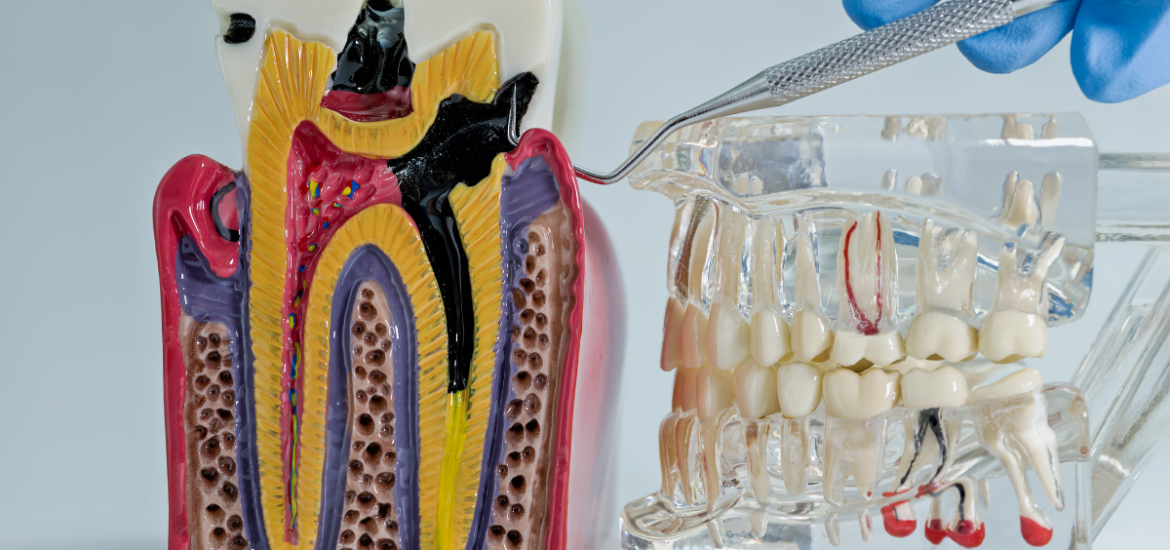
A root canal may sound intimidating, but it’s one of the most common procedures done to save a damaged or infected tooth. While the procedure itself isn’t as painful as most people think, there’s always concern about the recovery process, especially when it comes to eating. After a root canal, how soon can you eat normally? What foods are safe, and what should be avoided during the recovery period? Read on to find out everything you need to know.
Meet Dr. Svan: Your Caring Dentist at Svans Dentistry

At Svans Dentistry, we understand how important your dental health is. Dr. Svan is a compassionate and skilled dentist dedicated to providing exceptional care with a personal touch. Whether you’re undergoing a routine checkup or a more complex procedure like a root canal, Dr. Svan ensures that you’re comfortable and well-informed throughout the process.
For more information about Dr. Svan and the team, or to book your appointment today.
What to Expect After a Root Canal Treatment?
A root canal procedure is typically done to treat a tooth that has become infected or has extensive damage to its pulp (the innermost part of the tooth). The dentist removes the infected or damaged tissue and then fills the space with a special material to prevent further infection. While the tooth may feel sore afterward, the purpose of the procedure is to save the tooth and restore its function.
Immediately after the procedure, the area around the tooth will be numb due to the anesthesia. Once the anesthesia wears off, the real recovery begins, and it’s important to follow specific instructions for eating and caring for the tooth.
How Long Should You Wait Before Eating After a Root Canal?
When you undergo a root canal, your dentist will likely recommend that you avoid eating for at least a few hours after the procedure. The primary reason for this is that the anesthesia used during the procedure will leave your mouth numb for a few hours. It’s crucial not to eat until the numbness wears off because you risk accidentally biting your cheek, tongue, or lip without realizing it.
Once the anesthesia has worn off and you feel comfortable, you can begin eating. However, it’s important to start with soft foods that won’t put pressure on the treated tooth or cause discomfort. Your dentist will likely advise you to avoid eating anything hard or sticky for at least a couple of days to help protect the tooth.
What Can You Eat After the Procedure?
After your root canal, you can eat—but you’ll need to take a few precautions. Start with soft, bland foods that won’t irritate the treated area. Here are some of the best options for your post-root canal recovery:
- Mashed potatoes: A soft, comforting food that requires little to no chewing.
- Scrambled eggs: Soft, easy to chew, and a good source of protein.
- Applesauce: Smooth and gentle on the mouth, providing a slight sweetness without requiring any chewing.
- Yogurt: Creamy and cool, it’s easy to consume and soothing to the mouth.
- Smooth soups: If you let the soup cool to room temperature, it can be a perfect option. Avoid anything too hot, as your tooth may still be sensitive.
- Smoothies: A great way to consume nutrients without chewing. Just be sure to avoid using a straw, as the suction may irritate the treated area.
These foods are easy to consume and gentle on your healing tooth, providing nourishment without causing unnecessary stress on the area.
Eating Restrictions After a Root Canal
While your root canal is healing, it’s important to avoid foods that could disrupt the healing process or cause unnecessary discomfort. The following should be avoided during the first few days after your procedure:
- Hard foods: Anything that requires a lot of chewing or biting down hard on, such as nuts, raw vegetables, and hard candies, should be avoided.
- Crunchy foods: Chips, popcorn, and other crunchy snacks can cause pressure on your treated tooth, leading to discomfort.
- Sticky foods: Caramel, chewing gum, and taffy can stick to the treated area and may dislodge the temporary filling, especially before the permanent crown is placed.
- Very hot or cold foods: Extreme temperatures may cause discomfort in the sensitive area. Stick to lukewarm or room-temperature foods during the first few days.
These restrictions are designed to ensure that your treated tooth has time to heal properly without putting additional strain on it.
Why Does the Root Canal Recovery Diet Matter?
The first few days after a root canal are critical to your recovery. By sticking to a soft food diet, you reduce the risk of aggravating the tooth and allow the area to heal without pressure. It’s also important to stay hydrated during the recovery period, but be sure to drink water or room-temperature beverages to avoid triggering sensitivity.
Taking care of your diet during recovery can speed up the healing process and make your root canal a success. Avoiding hard or hot foods and chewing on the treated side of your mouth will ensure that your tooth recovers quickly and comfortably.
Patient Review
“Wow! I’ve been searching for a wonderful caring human being of a dentist n staff and I FINALLY Found one! Beautiful office, outstanding staff! And the dentist 🦷 himself is Stellar! I felt comfortable and at ease and just at home! Coming from a dental 🦷 professional family…I knew what I want n needed and after 3 other dental experiences, I found THE ONE! I highly recommend Dr. SVANS DENTISTRY!!”
– C. Demas
Ready to Heal? We’re Here to Help Every Step of the Way
While recovering from a root canal, it’s essential to follow your dentist’s guidelines for eating and caring for your teeth. Taking it easy with your diet and avoiding certain foods will help ensure your tooth heals properly. If you have any questions or concerns about the recovery process, don’t hesitate to contact your dentist.
If you’re looking for professional dental care or need help with a root canal in Scottsdale, Svans Dentistry is here to help. We will guide you through every step of your recovery to ensure a smooth and comfortable healing process. Call us today to schedule your appointment and enjoy a healthy, pain-free smile!
FAQs
Can I eat immediately after a root canal?
You should wait until the numbness from the anesthesia wears off before eating. Once the sensation returns to your mouth, you can start eating soft foods. Refrain from eating hard, crunchy foods for several days.
What are the top foods to consume following a root canal?
Stick to soft foods like mashed potatoes, scrambled eggs, and yogurt. These are gentle on the treated tooth and won’t irritate the healing area. Avoid anything hard or chewy.
How soon can I eat normally after a root canal?
You can begin eating soft foods right after the anesthesia wears off, but it’s best to avoid hard or sticky foods for 2-3 days. Full recovery time varies depending on your situation.
Is it normal for a tooth to be sensitive after a root canal?
Some sensitivity is normal in the first few days following the procedure. However, if you experience severe pain, contact your dentist to make sure there are no complications.
Can I drink hot coffee or cold drinks after a root canal?
It’s best to avoid very hot or cold drinks for the first few days after the procedure, as your tooth may be sensitive to temperature. Drink beverages at room temperature to avoid discomfort.
What happens if I eat hard foods too soon after a root canal?
Eating hard foods too soon could cause discomfort or even damage the temporary filling placed in your tooth. Stick to soft foods until your dentist clears you for normal eating.
Can I chew gum after a root canal?
It’s best to avoid chewing gum until your dentist places a permanent filling or crown. Sticky gum can dislodge the temporary filling and cause unnecessary discomfort.


