
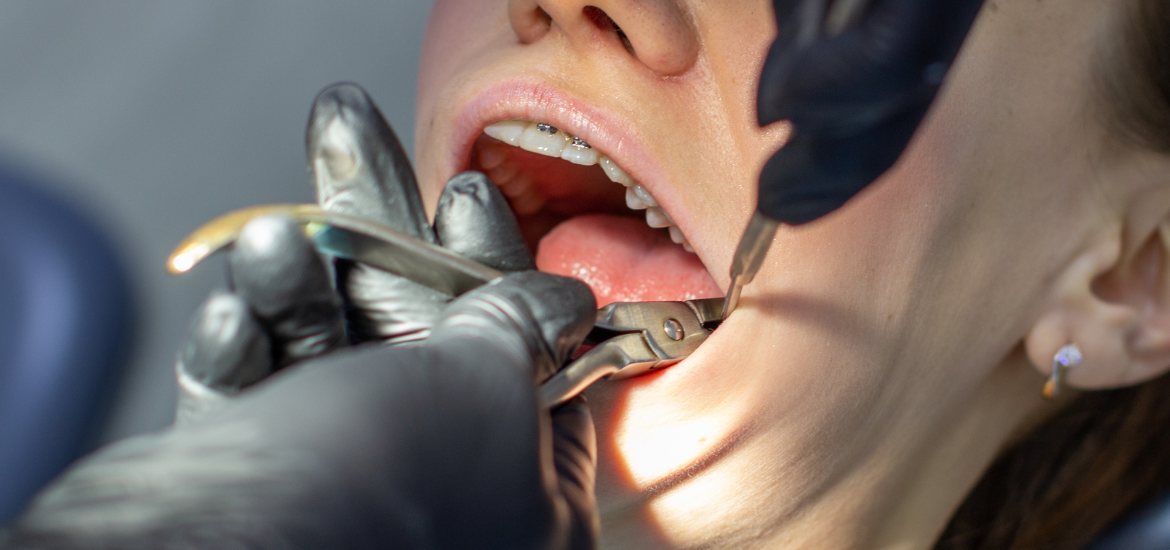
A dull ache in your back molar can turn into something much worse within a matter of hours, and once it does, most people have the same worry running through their head: is the dentist just going to yank the tooth out? It’s a fair question, and one our front desk hears almost daily from patients calling in pain.
The honest answer is it depends. Extraction is sometimes necessary, but it’s rarely the first option a good emergency dentist reaches for. The primary goal of emergency dental care is to relieve pain, treat the underlying problem, and preserve your natural tooth whenever possible. Here’s what actually happens when you walk in with a dental emergency, and how to know what to expect before you ever sit in the chair.
Extraction Isn’t Always the First Move
A lot of people assume that any visit to an emergency dentist in Scottsdale ends the same way: numb your mouth, pull the tooth, hand you a prescription, done. In reality, most emergency dental visits are focused on relieving pain and saving the tooth whenever that’s realistic.
When you come in with a toothache, a cracked molar, or a tooth that’s suddenly become sensitive to hot and cold, the first step is almost always diagnosis. That usually means a quick exam and an X-ray to see what’s happening below the gumline, a cavity that’s reached the nerve, a fracture, an infection, or something else entirely. From there, treatment depends on how much healthy tooth structure remains and whether the infection has spread.
Common outcomes for an emergency visit include a root canal to remove infected pulp while keeping the tooth intact, a temporary filling or crown to stabilize a fracture, antibiotics and drainage if there’s an abscess, or, when none of those options will hold, extraction. Dentists generally try to preserve natural teeth because they function better long-term than any replacement, so pulling a tooth is typically considered a last resort rather than a default.
When Extraction Really Is the Right Call
That said, there are situations where removing the tooth is genuinely the best decision for your health. If a tooth is fractured below the gumline, severely decayed with little structure left to rebuild, loose due to advanced gum disease, or causing an infection that keeps spreading despite treatment, extraction may be the safest path forward. Sometimes it’s also the more practical choice: a tooth that can’t reasonably be saved, or one that would need extensive, costly work with a poor long-term outlook, might not be worth restoring.
If your dentist recommends extraction, ask about replacement options during that same conversation. Whether that’s a dental implant, a bridge, or a partial denture depends on your situation, budget, and long-term goals, and it’s worth discussing before you leave the office rather than months later.
Why Scottsdale Residents Deal With More Dental Emergencies Than You’d Think
Living here comes with its own set of dental risk factors. Scottsdale’s love of golf, tennis, hiking on the Preserve trails, and mountain biking around McDowell Mountain means we see a fair number of chipped and knocked-out teeth from outdoor activity and sports injuries. Add in the summer heat, which drives many people toward sugary sports drinks and iced coffee to cope, and you’ve got a recipe for enamel erosion and sudden sensitivity.
We also see a seasonal pattern tied to the snowbird population. Visitors who split time between Scottsdale and colder states sometimes go months without a dental checkup between visits, so small issues turn into emergencies right around the busy winter season. If you’re a part-time resident or just haven’t had a checkup in a while, it’s worth getting ahead of problems before they become urgent.
Whatever the cause, if you’re dealing with sudden pain, swelling, or a broken tooth anywhere from Old Town to North Scottsdale, finding an emergency dentist in Scottsdale who can see you same-day matters more than people realize. Delaying treatment on an infected tooth doesn’t just risk the tooth itself, it can allow infection to spread into the jaw or bloodstream, which becomes a far more serious medical issue.
What to Do Before You Get to the Office
While you’re heading in for care, a few simple steps can protect your tooth and reduce discomfort:
- Rinse gently with warm salt water to clean the area
- Apply a cold compress to the outside of your cheek to reduce swelling
- Take an over-the-counter pain reliever if you’re able to
- If a tooth has been knocked out, keep it moist in milk or held gently between your cheek and gum and get to the dentist within the hour if possible, since that window makes a real difference in whether the tooth can be saved
Don’t Wait Until It Gets Worse
Dental pain rarely improves on its own, and what feels manageable today can turn into a much bigger problem by the weekend. If you’re searching for a same-day emergency dentist in Scottsdale, the team at Svans Dentistry PLLC is ready to help from diagnosing the issue to walking you through every treatment option, extraction included, so you know exactly what to expect.
New patients are always welcome, and we make every effort to accommodate same-day emergency appointments whenever possible.
Call Svans Dentistry today at +1 623-469-5606 or book your emergency appointment online, and let’s get you out of pain and back to your day.
Frequently Asked Questions
Does a chipped tooth count as a dental emergency?
It depends on the severity. A small chip that isn’t painful can usually wait for a regular appointment, but a chip that exposes the inner layers of the tooth, causes sharp pain, or has jagged edges cutting your tongue or cheek needs prompt attention.
How fast can I be seen for emergency dental care?
Most practices, including ours, reserve same-day slots specifically for urgent cases. Call ahead and describe your symptoms so the team can prioritize your visit and have everything ready when you arrive.
Will I be in pain during the extraction if one is needed?
No. Extractions are performed under local anesthesia, and sedation options are available for anxious patients. You may feel pressure during the procedure, but not sharp pain.
Can an infected tooth heal on its own without treatment?
No. A dental infection will not resolve without professional treatment such as drainage, a root canal, or extraction. Antibiotics can control the spread temporarily, but the underlying issue still needs to be addressed.


