
Root canal is one of those phrases that makes people wince just hearing it. Somewhere along the way, it became shorthand for “worst dental experience possible.” But here’s the truth: most people who’ve actually had one say it wasn’t nearly as bad as they expected. Some even compare it to getting a regular filling.
So why does it still have such a bad reputation? Probably because people fear what they don’t understand. That’s exactly why walking through what actually happens during a Root Canal treatment procedure in Scottsdale can take a lot of that fear off the table. Once you know the steps, it stops feeling like some mysterious, painful ordeal and starts feeling like, well, just another dental appointment. Let’s break it down.
Why Would You Even Need a Root Canal?
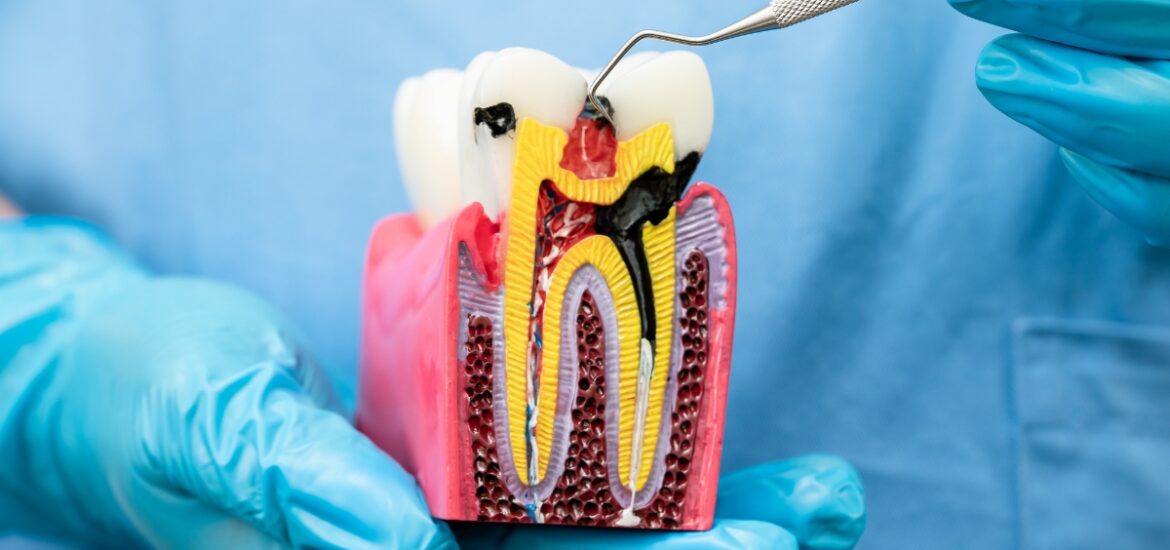
Before getting into the “how,” it helps to understand the “why.” A root canal becomes necessary when the pulp inside your tooth, the soft tissue with nerves and blood vessels, gets infected or inflamed. This usually happens because of deep decay, a cracked tooth, or repeated dental procedures on the same tooth. Left untreated, that infection can spread, cause an abscess, and eventually lead to tooth loss. Not exactly something you want to ignore, and it’s one of the most common reasons people go for root canal care in Scottsdale in the first place.
7 Steps Of Complete Root Canal Treatment
Step 1: The Exam and X-Ray
Every Root Canal treatment in Scottsdale starts with a thorough exam. Your dentist takes X-rays to see the shape of the root canals and check how far the infection has spread. This step matters more than people realize, it tells the dentist exactly what they’re working with before anything else happens. No guesswork involved.
Step 2: Numbing the Area
Here’s where a lot of the anxiety usually kicks in, but honestly? This part’s pretty routine. Your dentist applies a local anesthetic to numb the tooth and surrounding gum tissue. You’ll feel a small pinch, maybe some pressure, and then… nothing. Most patients say they don’t feel pain during the actual procedure at all. That numbing shot is doing its job.
Step 3: Placing the Dental Dam
A small rubber sheet, called a dental dam, gets placed around the tooth. It isolates the area, keeping it dry and free from saliva during the procedure. Small detail, but it makes a real difference in keeping things clean and infection-free.
Step 4: Removing the Infected Pulp
Now comes the actual “root canal” part. Your dentist creates a small opening in the top of the tooth to access the pulp chamber. From there, they carefully remove the infected or damaged pulp tissue using specialized tiny instruments. This is the step people picture when they imagine a root canal, but remember, you’re numb, and it’s far less dramatic than it sounds.
Step 5: Cleaning and Shaping the Canals
Once the pulp’s out, the dentist cleans and shapes the tiny canals inside the tooth root. This part gets meticulous. Every bit of bacteria and debris needs to go, otherwise, reinfection becomes a real risk down the line. Some cases need antimicrobial solutions to flush the area thoroughly too.
Step 6: Filling the Canals
After cleaning, the canals get filled with a biocompatible material called gutta-percha. Think of it as sealing the space so bacteria can’t creep back in. This step basically protects all the hard work that just happened in step five.
Step 7: Sealing and Restoring the Tooth
Finally, the opening gets sealed with a temporary or permanent filling. In many cases, a crown gets recommended afterward too, especially for back teeth that handle a lot of chewing pressure. That crown adds strength and protects the tooth from cracking down the road. Most patients who went through Root Canal treatment in Scottsdale need a follow-up visit to get that crown placed properly.
What About Recovery?
Recovery’s usually pretty mild. Some soreness or sensitivity for a few days is normal, and over-the-counter pain relievers typically handle it just fine. Avoid chewing on that side until the permanent restoration’s in place, and you’ll likely be back to normal within a week. Most patients got root canal treatment in Scottsdale are honestly surprised by how manageable the recovery turns out to be. Not bad for something with such a scary reputation, right?
Frequently Asked Questions
Q: Does a root canal hurt?
A: Not really, thanks to modern anesthesia. Most patients report feeling pressure at most, not pain. The infection causing the pain gets removed during the procedure, which often brings relief.
Q: How long does a root canal take?
A: Usually somewhere between 60 and 90 minutes, though it can vary depending on the tooth and how complex the canal structure is. Molars tend to take longer than front teeth.
Q: Can I just get the tooth pulled instead?
A: You could, but it’s usually not the best choice. Saving your natural tooth through a Root Canal treatment in Scottsdale, helps maintain proper bite alignment and avoids the extra cost of an implant or bridge later.
Q: Will I need more than one appointment?
A: Sometimes. Straightforward cases often finish in one visit, but more complex infections or the need for a crown might require a follow-up appointment.
Q: How do I know if I need a root canal?
A: Common signs include lingering tooth pain, sensitivity to hot or cold, swelling, or a pimple-like bump on the gums. If you’re noticing any of these, it’s worth getting checked out sooner rather than later.
Ready to Get It Taken Care Of?
Look, nobody’s excited about needing a root canal. But putting it off usually just makes things worse, more pain, more risk, more cost down the line. The procedure itself is far less intimidating than its reputation suggests, and honestly, most people walk out feeling relieved rather than dreading it.
Svans Dentistry offers gentle, thorough Root Canal treatment in Scottsdale designed to get you out of pain and back to normal life fast. If you’ve been putting off that nagging tooth pain, don’t wait any longer. Reach out today and let’s get it handled.


