
“You need a root canal.” Four words nobody wants to hear. And if you just heard them, your first thought was probably, “Wait, how did that happen? I brush every day!” Fair. It’s a super common reaction.
The truth is, teeth don’t just wake up one morning and decide to need a root canal. Something sets it off. Sometimes it’s slow, like a cavity that grew unnoticed for years. Sometimes it’s sudden, like a hit to the mouth. Either way, understanding the cause helps you make sense of the treatment, and maybe avoid a repeat. If you’re searching for Root Canal care in Scottsdale, knowing the “why” can make the whole thing feel less mysterious. So let’s dig in.
First, What’s Inside Your Tooth?
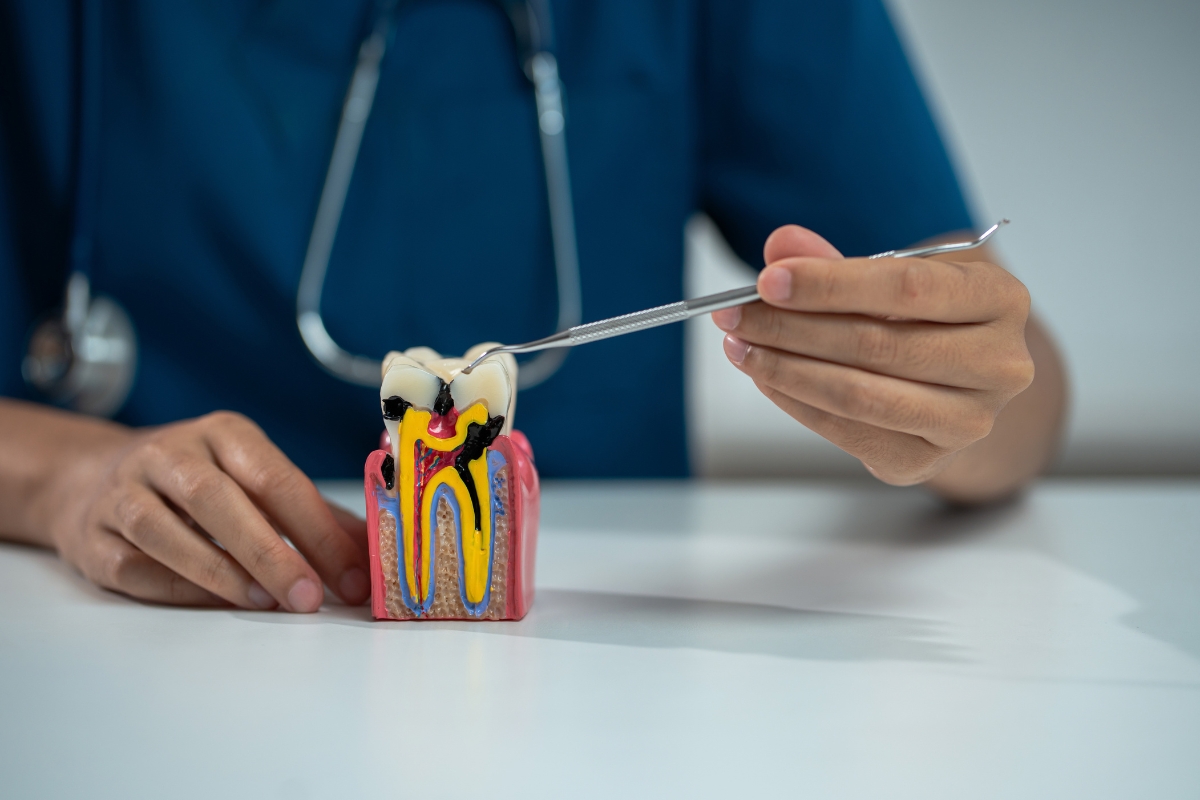
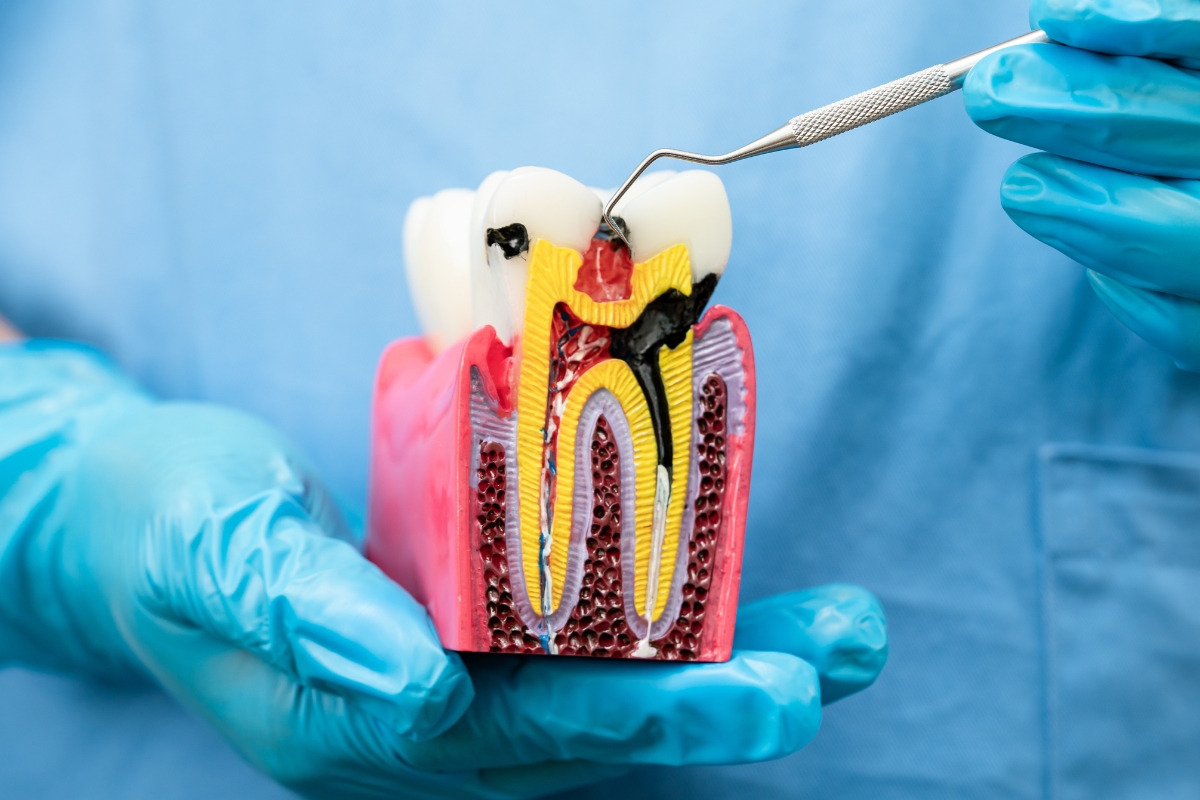
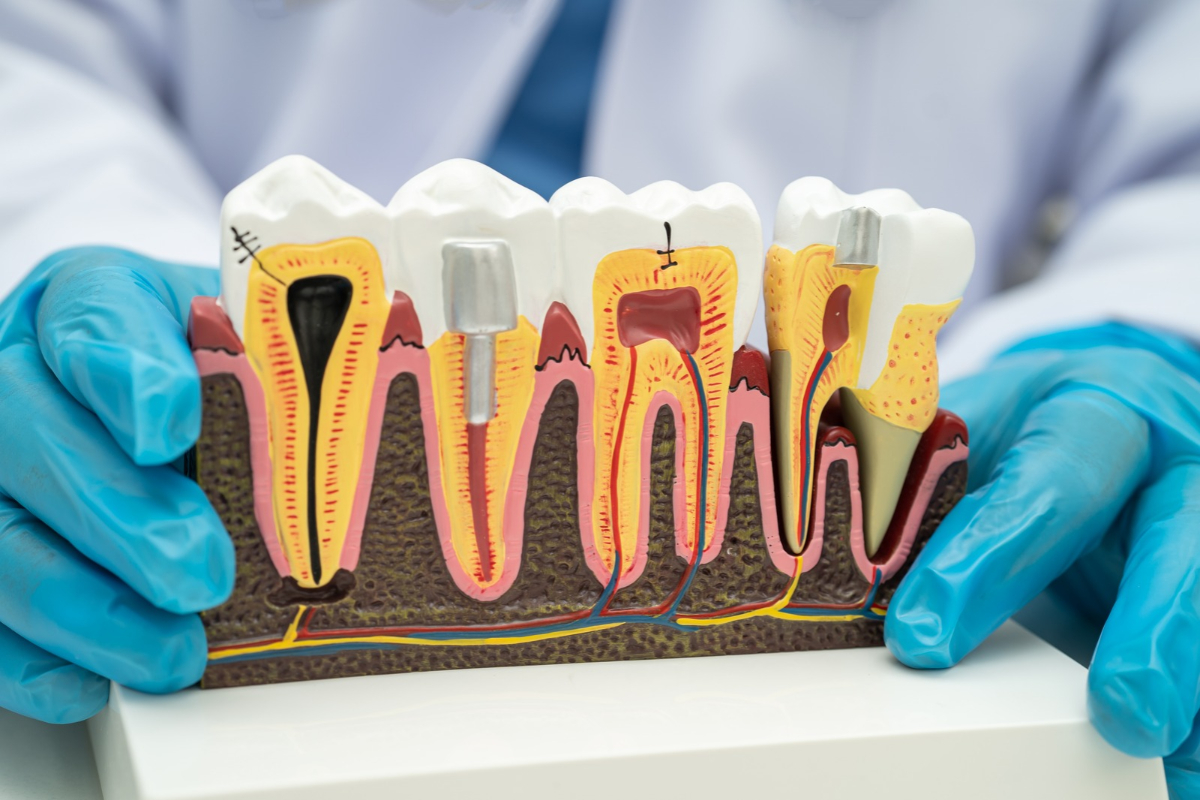
Quick anatomy lesson, promise it’s short. Your tooth has a hard outer layer called enamel. Under that sits dentin, a softer layer. And at the very center is the pulp, a soft tissue filled with nerves and blood vessels. The pulp runs down through narrow channels in the roots, which are the “root canals.”
When the pulp gets infected or badly inflamed, it can’t heal on its own. Bacteria multiply, pressure builds, and pain follows. A root canal removes that damaged pulp, cleans the inside, and seals it up, so you can keep your natural tooth. That’s the whole idea.
Now, how does the pulp get into trouble in the first place? A few main ways.
Deep Tooth Decay
This is the big one. A cavity starts on the surface, eating through enamel. If nobody treats it, it keeps going through the dentin and eventually into the pulp. By then, bacteria have a direct path to the nerve.
The sneaky part? Early decay often doesn’t hurt. Many people don’t notice anything until the cavity’s already deep. By that point, a simple filling may not be enough. This is one of the most common reasons people end up needing root canal treatment in Scottsdale, and honestly, it’s often preventable with regular checkups.
Cracked, Chipped, or Broken Teeth
Bit down on a popcorn kernel? Chewed ice one too many times? Cracks happen. Some are tiny and barely visible, but they can still create a pathway for bacteria. If a crack reaches the pulp, infection and inflammation usually follow.
Some cracks cause sharp pain when you bite down and release. Others cause lingering sensitivity to hot or cold. And some show no symptoms for a while. A cracked tooth doesn’t heal itself, so getting it looked at early matters. Sometimes a crown is enough. When the pulp’s already involved, root canal treatment in Scottsdale comes first.
Repeated Dental Work on the Same Tooth
Here’s one people don’t see coming. A tooth that’s had multiple fillings, replaced fillings, or other procedures over the years can get irritated. Each time a dentist drills, the tooth takes a bit of stress. Over time, that cumulative trauma can inflame the pulp, even if there’s no new decay.
It’s not anyone’s fault, either. It’s just that teeth aren’t designed to take endless repairs. When the pulp gives out, root canal care in Scottsdale is often the next logical step to keep the tooth rather than lose it.
Injury or Trauma
Sports collisions. Falls. Car accidents. A knock to the mouth can damage a tooth’s pulp, even when the tooth looks totally fine. Sometimes the tooth isn’t visibly cracked or chipped at all.
After trauma, the nerve might slowly die, and you might not notice right away. Some people see the tooth darken to gray or brown over weeks or months. Others get delayed pain or swelling. If you’ve had a hit to the mouth, even a long time ago, and the tooth starts acting up, mention it to your dentist.
Leaky or Failing Fillings and Crowns
Fillings and crowns don’t last forever. Over the years, they can wear down, crack, or loosen, leaving tiny gaps around the edges. Bacteria can sneak in under them, causing decay you can’t see from the outside.
Because the decay hides under the restoration, it can reach the pulp without much warning. That’s one reason dentists check old dental work during exams. Catching a failing filling early can save you from a bigger problem down the line.
Gum Disease
Most people link gum disease with loose teeth, not root canals. But advanced gum disease can create deep pockets around a tooth. Bacteria from those pockets can sometimes travel along the root and reach the pulp from the side or the root tip.
It’s less common than decay, but it happens. And it’s another reminder that healthy gums matter just as much as healthy teeth.
Teeth Grinding and Heavy Wear
Grinding your teeth at night, a habit called bruxism, wears down enamel and stresses the teeth. Over time, that wear can expose deeper layers, lead to cracks, and irritate the pulp. Plenty of people grind without knowing, waking up with sore jaws or headaches.
A custom night guard can protect your teeth. It’s a small step that can save you a lot of trouble.
How Do You Know If You Need One?
The signs vary, and sometimes there are none. But common warning signals include:
- Severe or throbbing tooth pain, especially at night
- Sensitivity to hot or cold that lingers after the drink is gone
- Pain when biting or pressing on the tooth
- Swelling or tenderness in the gums
- A small, pimple-like bump on the gum
- A tooth that’s darkening in color
If any of this sounds familiar, don’t just wait it out. An exam and X-ray can confirm what’s going on. A dentist offering root canal treatment in Scottsdale can tell you whether the tooth needs a root canal or something simpler.
Can You Prevent the Need for a Root Canal?
Often, yes. Brush twice a day, floss daily, and cut back on sugary snacks and drinks. Wear a mouthguard for sports. Don’t chew ice or hard candy, and don’t use your teeth as tools. See your dentist regularly so small problems get caught early.
Even with great habits, some causes, like accidents, are out of your hands. That’s okay. Root canal treatment in Scottsdale is a very effective way to save the tooth when it happens.
FAQs: Frequently Asked Questions
Q: Does needing a root canal mean I didn’t take care of my teeth?
A: Not necessarily. Accidents, cracks, and genetics can all play a role. Good habits lower your risk, but they can’t eliminate it.
Q: Can a root canal be avoided if I catch a problem early?
A: Sometimes. A small cavity caught early usually needs only a filling. Waiting until it reaches the pulp is when root canal treatment in Scottsdale becomes necessary.
Q: Is a root canal painful?
A: Modern anesthesia makes the procedure comfortable. Most people say it feels like getting a filling. Root Canal treatment dentists in Scottsdale focus on keeping you relaxed throughout.
Q: Can a tooth need a root canal without hurting?
A: Yes. If the nerve has died, the pain can fade even though infection remains. That’s why regular exams and X-rays matter.
Q: What happens if I don’t get the root canal?
A: The infection can spread, causing an abscess, more pain, and possible tooth loss. It rarely goes away on its own.
Don’t Ignore the Warning Signs
If your tooth’s been acting up, trust your gut. Waiting rarely makes things better, and early treatment usually keeps things simpler. The sooner you find the cause, the better your chances of saving the tooth.
Svans Dentistry PLLC offers gentle, thorough root canal care in Scottsdale for patients who want relief and a healthy smile. Not sure what’s causing your tooth pain? Schedule your appointment or visit us at our clinic at 7400 E Pinnacle Peak Rd Ste 200, Scottsdale, AZ 85255, and let’s figure it out together.