
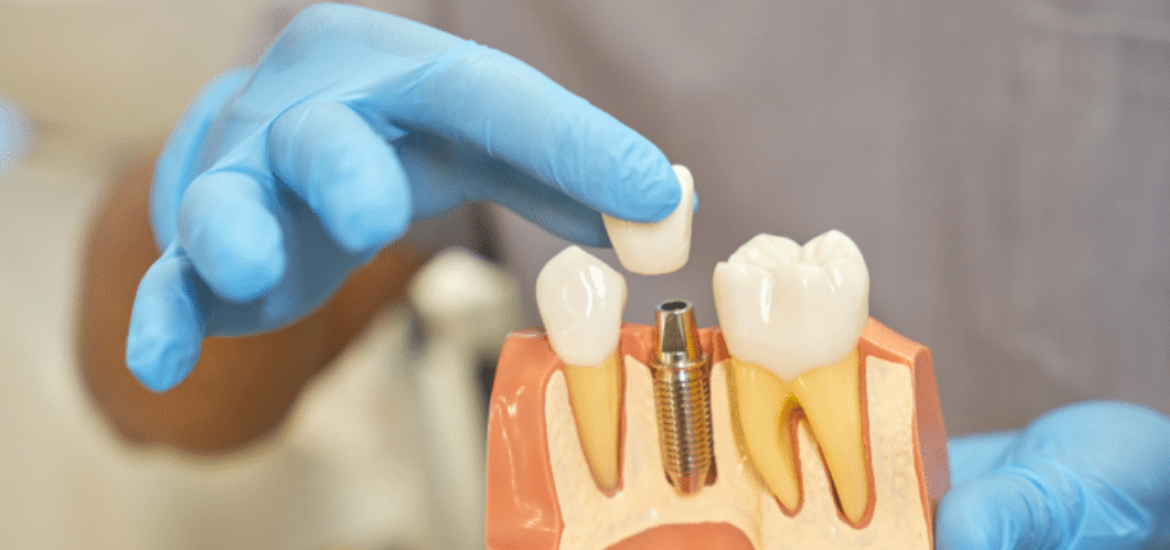
If you’ve been researching tooth replacement options, you’ve probably noticed one phrase come up again and again: dental implants are built to last. It’s true, but “built to last” and “will absolutely last forever no matter what” are two very different promises. As a practice that has placed and restored implants for patients across North Scottsdale for years, we get asked this question almost every week. So let’s talk honestly about what determines whether your implant lasts twenty years or a lifetime.
The short answer is yes, dental implants can last a lifetime, but the outcome depends on several factors working together: the skill of the dentist placing them, the quality of the materials used, your bone health, and how well you care for them afterward. Whether you’re considering dental implants in Scottsdale or elsewhere, the titanium post itself, the part that fuses with your jawbone has one of the highest long-term success rates of any dental restoration available today, often reported above 95 percent after ten years. The crown attached to it, however, is a different story. Crowns typically last 10 to 15 years before they may need replacing due to normal wear, similar to how a natural tooth’s enamel wears down over decades. Understanding this distinction matters before you commit to a dental implant procedure because it sets realistic expectations from day one rather than leaving you disappointed years later.
Why Some Implants Last Longer Than Others
The biggest factor in implant longevity is osseointegration, the process where your jawbone actually fuses to the titanium post. Patients here in Scottsdale often ask us why bone density matters so much, and it comes down to stability. A well-integrated implant functions almost like a natural tooth root, distributing bite force evenly. If bone quality is poor, or if the implant wasn’t placed at the correct angle and depth, that foundation can weaken over time, leading to loosening or eventual failure.
Oral hygiene plays an equally significant role. Peri-implantitis, an infection of the gum and bone tissue around an implant, is the leading cause of implant failure after the first year. It behaves much like gum disease, and it’s largely preventable with consistent brushing, flossing, and regular dental visits. Smoking is another major variable. Studies consistently show smokers experience implant failure at notably higher rates than non-smokers because tobacco restricts blood flow to healing gum tissue and slows bone integration.
Grinding your teeth at night, known as bruxism, is something we see often in our Scottsdale patients, many of whom lead high-stress, high-performance lifestyles between work and the daily hustle of the Valley. Chronic grinding puts excessive pressure on implant crowns and the connecting abutment, which can shorten their lifespan considerably if left unaddressed with a nightguard.
The Local Factor: Why Where You Live Matters
Here in North Scottsdale, near Pinnacle Peak and the McDowell Mountains, we treat a lot of active adults, golfers, hikers, and retirees who relocated to Arizona for the sunshine and outdoor lifestyle. That active lifestyle is great for overall health, but it also means a more varied diet, more time outdoors, and sometimes less attention paid to routine dental checkups when life gets busy. Arizona’s dry desert climate can also contribute to reduced saliva production, and saliva plays a protective role in oral health by washing away bacteria. Staying hydrated and scheduling routine cleanings twice a year helps offset this, especially for implant patients who need consistent monitoring of the gum tissue surrounding their restoration.
We also see many patients moving to Scottsdale from out of state who come to us because they want a dental team that understands both the science of implant longevity and the practical realities of desert living. Whether you’re near DC Ranch, Troon, or closer to Desert Ridge, choosing a provider who can offer long-term follow-up care matters just as much as the initial surgery.
What You Can Control
While genetics and bone density aren’t within your control, most of what determines implant lifespan actually is. Choosing an experienced provider for your dental implants in Scottsdale gives you a stronger starting point, since precise placement reduces long-term complications significantly. Beyond that, a few daily habits make the biggest difference:
- Brush twice daily and floss around the implant site the same way you would a natural tooth
- Avoid smoking or tobacco use, which is one of the clearest predictors of implant failure
- Wear a nightguard if you grind your teeth, especially during stressful periods
- Keep up with six-month cleanings so early signs of gum inflammation are caught before they progress
Patients who follow these habits consistently often keep their implants functioning well for 25 years or longer, with many going the rest of their lives without needing replacement.
Choosing the Right Team for Long-Term Success
At the end of the day, the longevity of your implant starts with the very first appointment. The placement technique, the imaging used to map your jawbone, and the materials selected all influence how your implant performs for decades to come. That’s why patients searching for dental implants in Scottsdale should look for a practice with a proven track record of successful long-term cases, not just the lowest initial cost. To make your first visit smoother, be sure to complete our new patient forms so our team can review your information and focus on creating a personalized treatment plan from day one.
Ready to Talk Longevity, Not Just Replacement?
If you’re considering dental implants in Scottsdale and want a team that plans for decades, not just the day of surgery, Svans Dentistry PLLC is here to help. Dr. Erik Svans and our team have helped countless patients throughout North Scottsdale restore their smiles with implants built to last. Call us at 623-469-5606 or visit our Pinnacle Peak Road office to schedule your consultation and find out if implants are the right long-term solution for you.
Frequently Asked Questions
Do dental implants really last forever?
The titanium implant post can last a lifetime with proper care, though the visible crown on top typically needs replacement after 10 to 15 years due to normal wear.
What is the most common reason implants fail?
Peri-implantitis, an infection around the implant caused by bacteria buildup, is the leading cause of failure, followed closely by insufficient bone density and smoking.
Is the dental implant procedure painful?
Most patients report mild discomfort managed easily with over-the-counter pain relief, far less than many expect, since local anesthesia and sedation options are used throughout treatment.
How often should I visit the dentist after getting an implant?
Every six months for a routine cleaning and checkup, though your dentist may recommend more frequent visits during the first year while the implant fully integrates.
Can smoking really affect how long my implant lasts?
Yes. Smoking significantly reduces blood flow to healing gum tissue and slows bone integration, making smokers considerably more likely to experience implant failure than non-smokers.


