
So the tooth’s gone. Maybe it was too damaged to save, maybe infection got the better of it, maybe it cracked beyond repair. Either way, you’re left with a gap and a pile of questions. What now? Do you just live with it? Get a bridge? Something else?
Here’s the thing. That space isn’t harmless. It changes how you chew, how your other teeth sit, even how your jaw holds up over time. And honestly, one of the best ways to fix it is with an implant. Dental implants in Scottsdale: patients often say it’s the closest thing to getting their real tooth back. But how does it actually work after an extraction? Let’s walk through it.
7 Steps That Take You From Extraction to a New Tooth
1. Healing Starts Right After the Extraction
Once the tooth comes out, your body goes to work. A blood clot forms in the empty socket, and that clot starts the healing process. The first week or so is about protecting it. Skip the straws, go easy on hot drinks, and don’t poke at the area with your tongue (hard, we know).
Soft tissue usually closes up within a few weeks. Bone takes longer. And that’s where timing becomes a big deal, because your jawbone begins changing almost immediately.
2. Bone Loss Begins, Which Is Why Timing Matters
Here’s something many people don’t realize. Your jawbone stays strong partly because your tooth roots stimulate it every time you chew. Pull the tooth, and that stimulation disappears. The bone around the empty socket can start shrinking, and a good chunk of that loss tends to happen in the first months.
Less bone makes implants harder to place later. That’s why a dentist who offers dental implants in Scottsdale often talks about planning, sometimes before the extraction even happens. The sooner you have a plan, the better your options stay.
3. Bone Grafting and Socket Preservation
If there’s a risk of losing too much bone, your dentist may place bone graft material in the socket right after the tooth is removed. It’s called socket preservation. Think of it as filling the hole with a scaffold that helps your own bone regrow and keeps the area from collapsing.
Not everyone needs this. If your bone’s already thin or the extraction was complicated, though, a graft can make a real difference. It does add healing time, often a few months, so patience is part of the deal. Still, it can mean the difference between a solid implant and a shaky one.
4. Immediate vs. Delayed Implant Placement
Some people wonder if the implant can go in the same day as the extraction. Sometimes, yes. It’s called immediate placement, and it works when the bone is healthy and there’s no major infection. You get the post placed right after the tooth is removed, which can mean fewer procedures overall.
Other times, waiting is smarter. Delayed placement lets infection clear up and the area heal first, usually for a few months. Neither option is better across the board. It depends on your bone, your gums, and your specific tooth. A skilled Dental Implants provider in Scottsdale will check your X-rays or 3D scans and recommend what suits you.
5. Placing the Titanium Implant
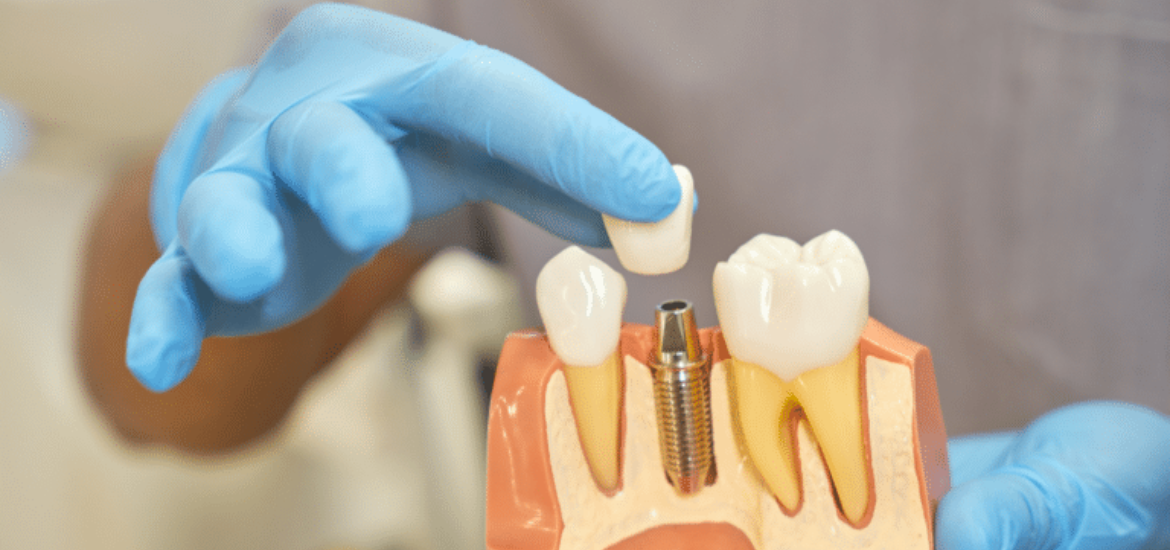
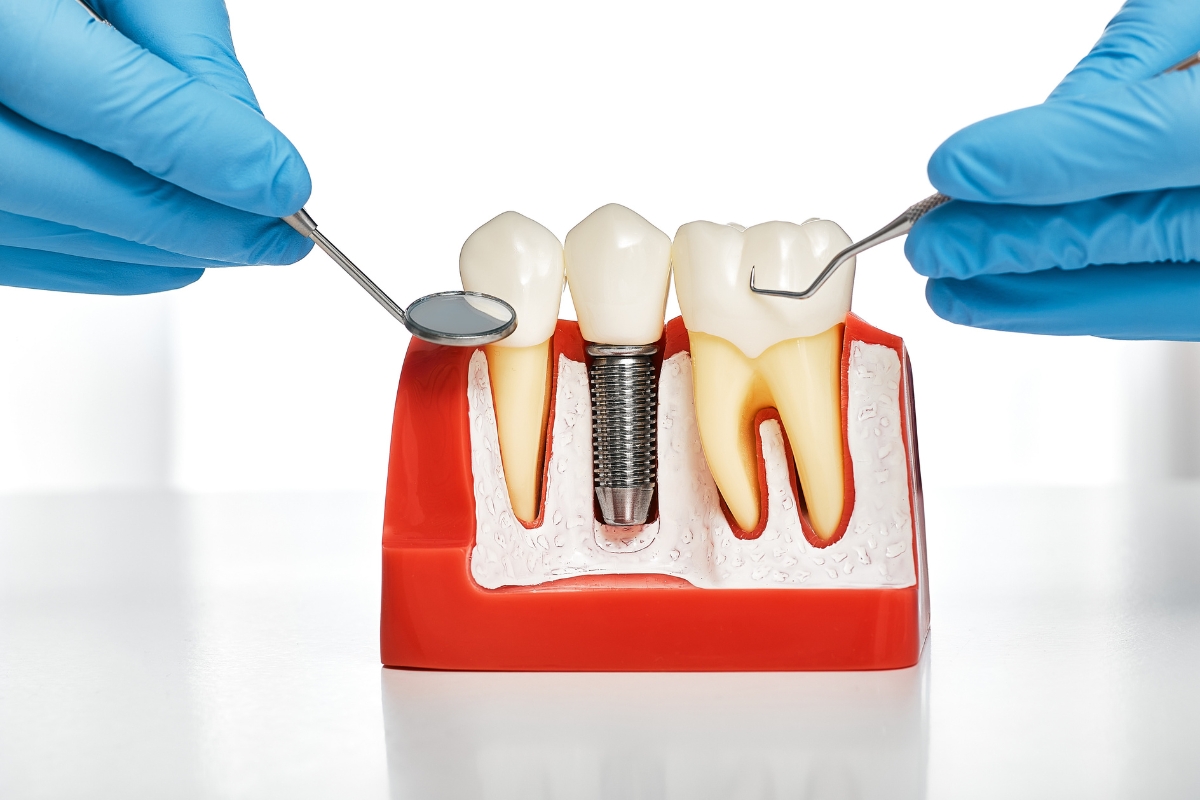
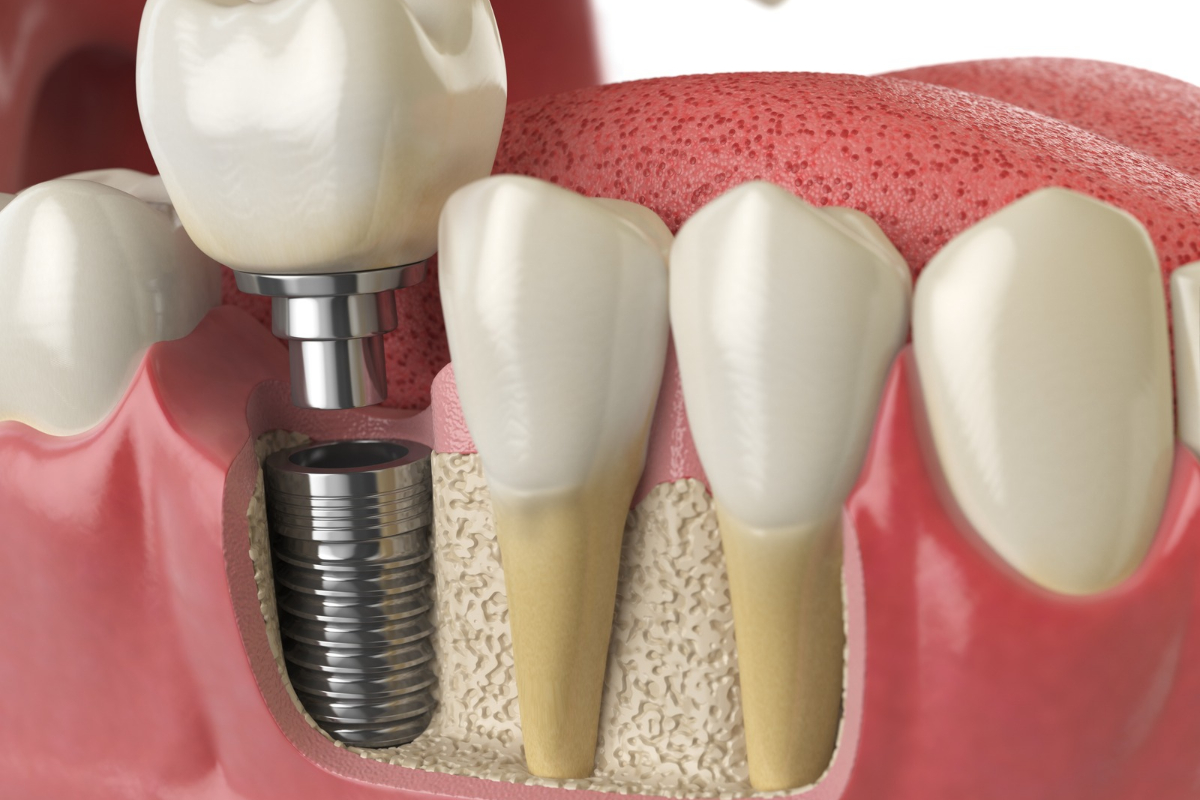
Now for the main event. The implant itself is a small post, usually made of titanium, that acts like an artificial tooth root. Your dentist numbs the area, makes a small opening in the gum, and places the post into the jawbone. Most people feel pressure, not pain.
Titanium’s used because your body generally accepts it well. Afterward, you may have some soreness and swelling for a few days, which over-the-counter pain relievers usually handle. Nothing too dramatic, honestly. Plenty of patients say it was easier than the extraction itself.
6. Healing and Fusing With Your Bone
Here comes the waiting game. Over the next three to six months or so, your bone grows around the implant and locks it into place. The fancy name is osseointegration. It’s the reason implants feel so sturdy, like a real root anchoring a real tooth.
You can’t rush this stage, and you really shouldn’t try, whichever Dental Implants plan you follow in Scottsdale. During this time, stick to softer foods, keep the area clean, and keep your follow-up appointments. If you’re a smoker, this is a great time to cut back or quit, since smoking can slow healing and raise the chance of implant failure.
7. Attaching the Abutment and Custom Crown
Once the implant has fused, a small connector called an abutment gets attached. Then comes the best part. Your dentist takes impressions or digital scans and has a custom crown made, matched to the color, shape, and size of your natural teeth. When it’s secured on top, you’ve got a complete replacement tooth.
It looks natural. It works like a natural tooth too. You can bite, chew, and smile without worrying it’ll slip. And because the implant sits in the bone like a real root, it helps keep that area of your jaw active and strong. That’s a big reason people pick dental implants providers in Scottsdale offer over bridges or dentures.
How Long Does It All Take?
It depends. A simple case, without grafting, might take around three to six months from extraction to final crown. If you need a bone graft or have other complications, it can stretch longer, sometimes close to a year. It sounds like a lot, but remember, dental implant treatment in Scottsdale builds something that can last decades.
Taking Care of Your New Tooth
Implants can’t get cavities, but the gums around them can still get infected. So you’ll brush twice daily, floss, and keep up with dental checkups, same as you would for your natural teeth. Stay on top of cleanings, too. Healthy gums are the secret to keeping dental implant dentists in Scottsdale place for the long haul.
FAQs: Frequently Asked Questions
Q: How long should I wait after an extraction to get an implant?
A: It varies. Some people get an implant the same day, while others wait a few months for the area to heal. Your dentist will recommend the best timing for you.
Q: Will I definitely need a bone graft?
A: Not always. If you have enough healthy bone, you may not need one. A scan will show what your jaw needs.
Q: Are dental implants painful?
A: The procedure’s done with anesthesia, so you shouldn’t feel pain during it. Some soreness afterward is normal and usually manageable.
Q: How long do implants last?
A: With good care, the implant post can last decades, often a lifetime. The crown may need replacing someday due to normal wear. Dental implant experts in Scottsdale can explain what to expect.
Q: What if my extraction was a long time ago?
A: You may still be a candidate. Bone may have shrunk, so a graft could be needed first, but many people with long-missing teeth still get implants successfully.
Ready to Replace Your Missing Tooth?
A gap doesn’t have to stay a gap. With the right plan, you can get a strong, natural-looking tooth that’s built to last. The earlier you act after an extraction, the more options you usually have.
Svans Dentistry PLLC offers personalized dental implant care in Scottsdale, guiding you from your first consultation to your final crown. Curious if implants are right for you? Schedule your appointment or visit us at our clinic at 7400 E Pinnacle Peak Rd Ste 200, Scottsdale, AZ 85255, and let’s map out your path to a full, confident smile.