
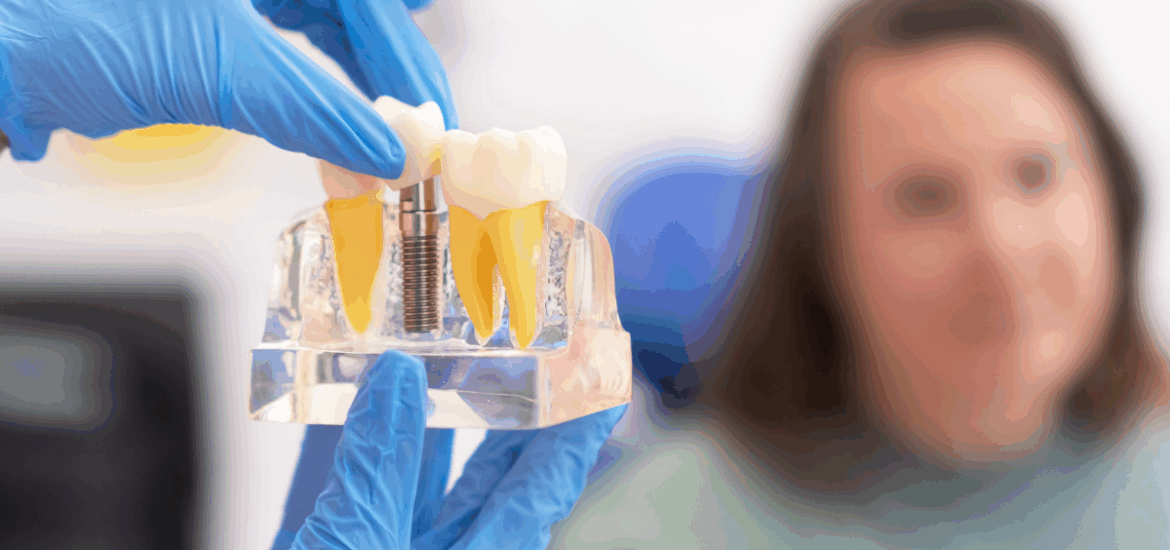
Dental implants have become a popular choice for individuals seeking a long-term solution for missing teeth. However, many patients worry about the level of discomfort associated with the procedure. Dental implant pain is a common concern, but understanding the process and what to expect can help ease any apprehensions.
While it’s normal to experience some discomfort after the procedure, it’s important to note that modern advancements in dental technology and anesthesia have made the process much more comfortable than in the past. The level of pain varies depending on individual factors. This usually includes the complexity of the procedure, the patient’s pain threshold, and how well they follow aftercare instructions.
What To Expect During The Procedure And Aftercare
The Procedure: What Happens During An Artificial Tooth Root Surgery?
During the procedure, a dentist will administer local anesthesia, ensuring that you don’t feel pain during the surgery itself. The surgery typically involves placing a titanium post into your jawbone, which serves as the new root for the artificial tooth. For most patients, the surgery is relatively quick, and any discomfort felt during the procedure is manageable with anesthesia.
Post-Surgery: What About Recovery?
After the procedure, the discomfort you experience will depend on several factors. Typically, patients report mild to moderate soreness, which can be managed with over-the-counter pain relievers. This discomfort usually peaks within the first two to three days and gradually subsides as healing progresses. You may also experience swelling, bruising, or tenderness in the treated area, which is a natural part of the healing process.
It’s common to feel a dull ache around the surgical site for the first few days, but this can be managed with the pain medications your healthcare provider recommends. The discomfort is usually temporary and diminishes as the area heals, and the implant integrates with the bone, a process known as osseointegration.
Tips For A Smooth Recovery To Manage Discomfort Post Surgery
To minimize pain and speed up recovery, following your dentist’s aftercare instructions is crucial. Here are a few tips:
- Follow a soft-food diet for the first few days after surgery to avoid irritation to the surgical site.
- Use cold compresses to reduce swelling and discomfort in the first 24 hours.
- Take prescribed medications and over-the-counter pain relievers as directed to control discomfort.
- Avoid smoking and strenuous activities during the healing period, as they can impede the healing process.
With proper care, most patients find that any discomfort subsides within a week, and by the time osseointegration is complete (usually a few months), they experience no further pain from the implant.
How Long Does It Take For A Dental Implant To Heal?
The healing process for implanted teeth can take a few months, depending on the complexity of your case. While the initial discomfort from the surgery should dissipate after a few days, complete healing, including bone integration, can take several months. A dentist will schedule follow-up appointments to monitor your progress and ensure the implant is healing properly.
However, once the healing process is complete, most people experience little to no discomfort from their dental implants. In fact, many report that their prosthetic teeth feel just like natural teeth. If properly maintained, it provides a durable, functional solution that can last for decades.
Achieve The Smile You’ve Always Wanted
If you’re considering dental implant services as a solution for missing teeth, you can expect a comfortable and effective process that restores both the function and appearance of your smile. With proper care and attention, these restorations offer a long-lasting, natural-looking alternative to dentures, providing a secure and permanent solution for a better quality of life.
For more information or to schedule a consultation, visit us at Svans Dentistry in Scottsdale. Our team is ready to help you take the next step toward restoring your smile with professional, personalized care.
Frequently Asked Questions (FAQs)
- How long does soreness typically last after a dental implant procedure?
Most people report mild to moderate soreness for 3 to 5 days after surgery, with discomfort peaking around day 1-2. After that, swelling and tenderness gradually fade, usually resolving by 1–2 weeks as tissues heal. - When is the implant site’s discomfort considered normal, and when should I be concerned?
It’s common to feel swelling, light bleeding, and aching for the first 3–7 days. But if sharp pain, increased swelling, fever, or prolonged discomfort persists beyond two weeks, it could signal a complication, and you should seek professional evaluation. - Can I eat and return to normal activities soon after implant surgery?
Yes — soft foods and gentle routines are usually okay within 24–48 hours after surgery. Most patients return to light daily tasks within a few days, while avoiding heavy chewing or strenuous exercise during healing. - Is post‑implant swelling and bruising normal, and how long until it subsides?
Yes, mild swelling, bruising, and gum tenderness are expected in the first 24–72 hours as your body begins the initial healing response. These symptoms usually subside significantly by the end of the first week, especially when you follow recommended aftercare. - Does the implant procedure hurt during surgery itself?
The procedure is performed under local anesthesia (or sedation when needed), so patients should feel no pain during the operation itself. Discomfort arises only once anesthesia wears off, and even then, it’s generally mild and short-lived when appropriately managed.


