
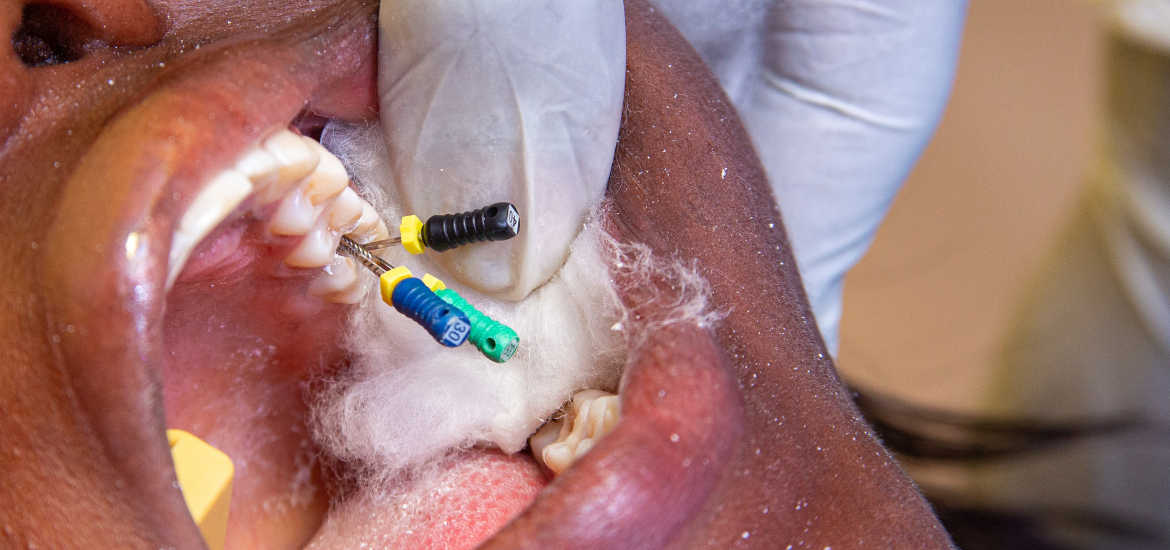
A tooth can still hurt after a filling because the nerve inside needs time to calm down, the bite may sit slightly too high, or decay was closer to the nerve than expected. Mild sensitivity to hot, cold, or pressure for one to two weeks is normal. Pain that is sharp, throbbing, or lasts longer usually means the filling needs a quick check by a Scottsdale dentist.
Why This Pain Actually Matters
Many patients assume that once a cavity is filled, the problem is completely solved and the tooth should feel normal right away. While the decay has been removed, the tooth itself may still need time to recover. In many cases, the nerve inside has been irritated for weeks or even months before treatment, especially if the cavity was deep. Although the filling repairs the damaged tooth structure, it doesn’t instantly calm the underlying nerve, so mild sensitivity for a short period is often a normal part of healing.
However, ongoing pain shouldn’t be ignored. What seems like simple sensitivity can sometimes indicate that the decay reached close to the pulp, the filling is sitting slightly too high on your bite, or a small crack has developed in the tooth. If left untreated, these issues may worsen over time and eventually require more extensive treatment, including root canal therapy. Having the tooth evaluated early by an experienced dentist can identify the exact cause before it becomes a larger problem. A prompt visit to your dentist in Scottsdale AZ often leads to a quicker, simpler, and more affordable solution.
The condition of the tooth’s nerves also plays an important role. In cases of reversible pulpitis, the nerve is irritated but still healthy enough to recover, and sensitivity usually improves within two to three weeks. Irreversible pulpitis, on the other hand, means the nerve has been permanently damaged and may require root canal treatment. Because the symptoms can be very similar, only a professional dental examination can determine which condition is present.
Scottsdale’s hot, dry climate may also contribute to temporary discomfort. Frequent consumption of iced coffee, cold water, sports drinks, or citrus beverages, combined with dry mouth caused by low humidity, can increase sensitivity in a recently filled tooth. While this doesn’t usually indicate a serious problem, persistent or worsening pain should always be evaluated rather than ignored.
Symptoms and Warning Signs to Watch For
Not all post-filling discomfort is the same. Here’s how to tell what’s normal and what needs attention:
- Mild, brief sensitivity to hot or cold that fades within a few seconds usually normal healing as the nerve settles down.
- Soreness when biting down, especially on that one tooth often means the filling is slightly too high and needs a small adjustment.
- Sharp pain that lingers for 30 seconds or more after eating something cold worth a follow-up visit, since this can point to deeper nerve involvement.
- Throbbing pain that wakes you up at night should be evaluated promptly, as pain that intensifies while lying down is a classic sign of nerve inflammation.
- Swelling, a bad taste, or tenderness in the gum near the filling needs same-week attention, since this combination can indicate an infection forming below the tooth.
- Pain that seems to radiate toward your ear, jaw, or sinus area upper back teeth sit close to the sinus cavity, so discomfort can sometimes feel like it’s coming from a wider area than just the tooth itself.
If you’re experiencing any of the symptoms beyond the first two, it’s time to call and get it looked at rather than waiting it out.
Comparing Your Options: What Happens Next
| Symptom | Likely Cause | Typical Next Step |
| Sensitivity fades in days | Nerve settling after treatment | Wait and monitor, use sensitivity toothpaste |
| Pain when biting down | Filling sits too high | Quick bite adjustment (5–10 minutes) |
| Lingering cold sensitivity | Filling close to the nerve | Desensitizing treatment or fluoride application |
| Constant throbbing or night pain | Nerve inflammation or infection | Evaluation for root canal therapy |
| Pain plus swelling | Possible infection | Same-week exam and treatment |
Getting an accurate diagnosis matters more than guessing at home. A short adjustment appointment is far less involved than treating a problem that’s been left alone for months, and it’s one of the most common visits handled by any Scottsdale dentist during a normal week.
Common Myths About Filling Pain
“A filling should never hurt afterward.” Not true mild, short-term sensitivity is a normal part of healing, especially for deeper cavities.
“If it hurts, the filling fails.” Not necessarily. Often it’s simply a bite adjustment issue, which takes minutes to correct.
“Pain always means you need a root canal.” Most lingering sensitivity resolves on its own. Root canals are only needed when the nerve is truly inflamed or infected.
“You should just wait it out no matter how long it lasts.” Waiting is fine for the first week or two. Beyond that, a check-up prevents small issues from becoming bigger ones.
“Over-the-counter pain relievers are a long-term solution.” They can help you get through the first few days, but relying on them for weeks masks a problem instead of solving it. If you find yourself reaching for ibuprofen every day past the first week, that’s a signal to get the tooth examined rather than a reason to keep managing it at home.
What to Do Next
If your tooth still hurts a few weeks after a filling, don’t just live with it. A brief exam can tell you whether it’s simple healing, a bite adjustment, or something that needs more attention and catching it early almost always keeps treatment simple. Whether you’re near Old Town Scottsdale, Kierland, DC Ranch, or anywhere along Shea Boulevard, getting timely, professional dental treatment is the difference between a five-minute fix and a much bigger procedure later.
At Svan’s Dentistry PLLC, our Scottsdale dentist team makes it easy to get answers fast, no long waits, no guesswork, just a clear plan for your tooth. If something feels off after a recent filling, book an appointment with us today and let’s get it sorted before it turns into anything more serious.
Frequently Asked Questions
How long is it normal for a tooth to hurt after a filling?
Mild sensitivity typically improves within one to two weeks. If discomfort is worsening rather than fading, schedule a visit.
Can a filling be adjusted if my bite feels off?
Yes. A high filling is one of the most common and easiest fixes; it’s usually resolved in a single short appointment.
Why does cold water bother my filled tooth more than before?
Cold sensitivity is common right after treatment because the nerve was recently disturbed. It should ease gradually over a couple of weeks.
Is it normal for a filling to hurt when I chew?
Some pressure sensitivity is expected briefly, but pain that continues past two weeks or worsens should be checked by your dentist.
When should I actually be concerned about pain after a filling?
If you notice throbbing, swelling, night pain or a bad taste near the tooth, don’t wait, these can point to infection and need prompt care from a dentist in Scottsdale AZ.


