
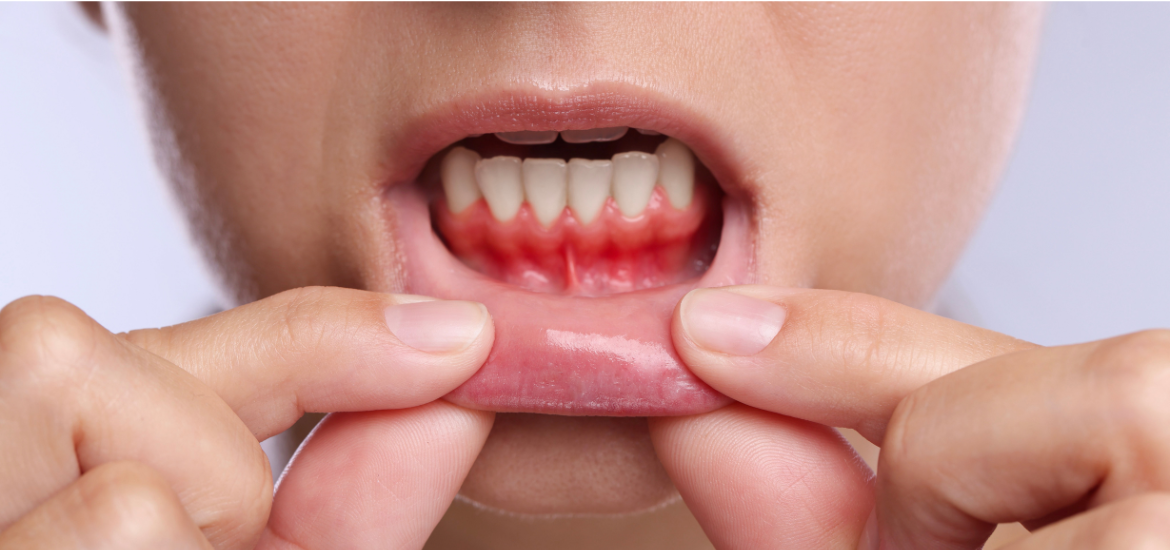
If you’re reading this, chances are you’ve either just finished treatment for gum recession or you’re scheduled for it soon. Either way, good for you. Gum recession doesn’t fix itself and putting off treatment usually means more bone loss and more sensitivity down the road. But here’s the part patients don’t always hear enough about: the work isn’t over once you leave the dental chair. What you do in the weeks and months after treatment matters just as much as the procedure itself.
We see a lot of patients here in North Scottsdale who come in after Googling their symptoms for months, sometimes years, before finally booking a consultation. And once they’ve had the Pinhole Surgical Technique in Scottsdale, one question comes up almost every time: “Okay, now what?” This post walks through exactly that.
Why Gum Recession Happens in the First Place
Before we get into aftercare, it helps to understand what caused the recession to begin with. If you’re considering Pinhole gum treatment, identifying and addressing the underlying cause of gum recession is an important part of achieving long-lasting results. Aggressive brushing is a huge one, especially if you grew up being told to “scrub harder” for a cleaner mouth. Grinding your teeth at night, tobacco use and genetics also play a role. And here in Arizona, we notice something a little unique: the dry desert climate can leave mouths chronically dehydrated, which reduces saliva flow and makes gum tissue more vulnerable to irritation. If you spend a lot of time outdoors hiking Pinnacle Peak or golfing under that relentless Scottsdale sun, staying hydrated isn’t just good for your skin it’s good for your gums too.
What Makes Pinhole Treatment Different
Traditional gum grafting involves cutting tissue from the roof of your mouth and stitching it onto the receded area. It works, but recovery is rough. The Pinhole Surgical Technique in Scottsdale takes a gentler approach. Dr. Erik Svans makes a small pinhole entry point in the existing gum tissue, then gently loosens and repositions it to cover the exposed root. No scalpels, no sutures and far less swelling than the old-school method. Most patients are back to their normal routine within a day or two.
That said, “less invasive” doesn’t mean “no aftercare required.” Your gums are still healing tissue and how you treat them in the following weeks will determine how well the results hold up long term.
The First Week After Treatment
The first few days are the most delicate. Your gum tissue is repositioning itself and it needs time to settle before it’s stressed with normal chewing or brushing pressure.
A few things matter most during this window: stick to soft foods like yogurt, mashed potatoes and scrambled eggs; avoid anything crunchy, spicy, or acidic that could irritate the treated area; and skip brushing directly over the surgical site for the first several days, using a gentle antimicrobial rinse instead if your dentist recommends one. Most patients feel back to normal faster than they expect, which is honestly one of the biggest perks of choosing pinhole gum treatment over traditional grafting.
Building Habits That Protect Your Results
Once the initial healing period passes, the real work begins and this is the part that determines whether your results last five years or twenty.
Switch to a soft-bristled toothbrush permanently, not just temporarily. If you were an aggressive brusher before, that habit likely contributed to the recession and going back to it will undo the progress you just paid for. An electric toothbrush with a pressure sensor can be worth the investment here since it physically stops you from pressing too hard.
Watch your technique, not just your tools. Small, gentle circular motions along the gumline do far more good than a hard back-and-forth scrub. If you’re not sure your technique has actually changed, ask your hygienist to watch you brush at your next cleaning. It’s a quick check that catches old habits before they cause new damage.
Don’t skip flossing, but be gentle near the treated area, especially in the first month. Curving the floss into a C-shape around each tooth protects the gumline better than snapping it straight down.
If you grind your teeth at night, a night guard genuinely matters here. Grinding puts constant pressure on gum tissue and can slowly undo the benefits of your treatment. Plenty of our Scottsdale patients deal with grinding related to stress and a simple custom guard solves it.
Diet and Lifestyle Choices That Support Healing
What you eat affects your gums more than most people realize. Foods rich in vitamin C, like citrus, bell peppers and leafy greens, support collagen production, which is exactly what your gum tissue needs to stay firm and resilient. Staying hydrated matters too, particularly living somewhere as dry as Scottsdale, since saliva is your mouth’s natural defense against bacteria buildup.
If you smoke or vape, this is genuinely the moment to quit, or at least cut back significantly. Nicotine restricts blood flow to gum tissue, which slows healing and increases the odds of recession returning in the same spot.
Keep Up With Professional Cleanings
Even with excellent home care, professional cleanings catch what a toothbrush can’t. Most patients who’ve completed pinhole gum treatment do well with cleanings every four to six months, though your dentist may recommend a tighter schedule initially to monitor how the tissue is healing. Skipping these appointments is one of the most common reasons recession quietly creeps back in a few years later.
When to Call Your Dentist
Some sensitivity and mild swelling in the first week is normal. But if you notice persistent bleeding, sharp pain, or the gum tissue looking like it’s pulling away again, don’t wait it out. Catching a problem early is always easier to fix than catching it late.
Ready to Protect Your Smile?
Healthy gums don’t happen by accident, especially after treatment. They take a bit of intention, a few adjusted habits, and regular checkups with someone who knows your mouth well. If you’re dealing with gum recession or want to explore your treatment options, the team at Svans Dentistry PLLC in North Scottsdale is here to help. New patients are always welcome and our team is happy to answer your questions, evaluate your gum health, and recommend the most appropriate solution for your needs.
Give us a call at 623-469-5606 or stop by our office at 7400 E Pinnacle Peak Rd, Suite 200, Scottsdale, AZ 85255 and let’s get your smile back on track.
Frequently Asked Questions
How long does it take for gums to fully heal after pinhole treatment?
Most patients notice significant improvement within a week, but full tissue maturity can take a few months. Cosmetic results are usually visible almost immediately.
Can gum recession come back after treatment?
It can, particularly if aggressive brushing, grinding, or smoking continue. That’s exactly why the aftercare habits above matter so much.
Is the Pinhole Surgical Technique in Scottsdale painful?
Most patients describe it as far more comfortable than traditional grafting, with minimal downtime and little to no need for prescription pain medication.
How soon can I go back to normal brushing after treatment?
Typically within a week, though, you’ll want to switch to a soft-bristled brush and gentler technique permanently, not just during recovery.


