
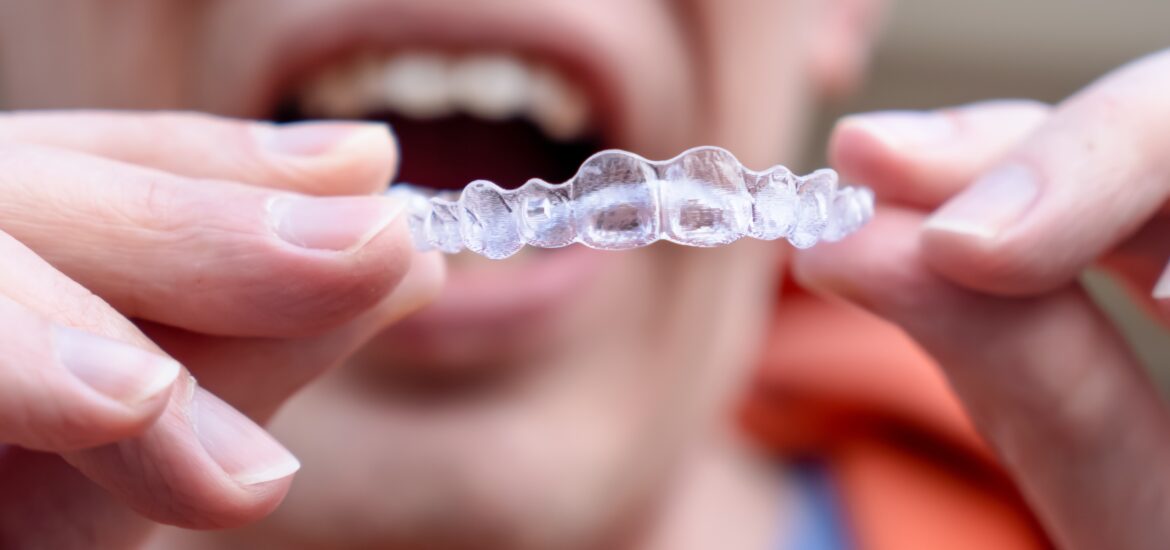
Yes, tight Invisalign trays can irritate your gums if they do not fit correctly or if your teeth and gums are already sensitive. Mild pressure is normal during Invisalign treatment, but sharp pain, swelling, bleeding, or gum recession should never be ignored. A dental checkup can help prevent long-term problems with your oral health and aging smile.
Quick Answers Before You Read
- Tight Invisalign trays may irritate gums for a short time
- Poor tray fit can affect aging teeth and gums
- Healthy gums support a healthy aging smile
- Regular dental visits help protect oral health and aging concerns
Why Invisalign Trays Feel Tight
Most Invisalign trays feel tight for the first few days. This pressure helps move teeth slowly into better positions. Mild soreness is common.
Still, there is a difference between normal pressure and harmful pressure. If trays dig into your gums or cause swelling, your dentist should check the fit.
Many adults already deal with aging teeth and gums before starting Invisalign treatment. As the teeth aging process continues, gums may become thinner and more sensitive. This can make tight trays feel worse.
At Svans Dentistry PLLC in Scottsdale, many patients ask if Invisalign can affect oral health and aging. The answer depends on gum health, tray fit, and daily care habits.
How Tight Braces Can Affect Your Gums
Tight Invisalign trays do not usually damage healthy gums. Problems often occur when trays fit poorly or patients ignore symptoms.
Here are some common gum problems linked to Invisalign:
| Problem | What Happens |
|---|---|
| Gum soreness | Pressure irritates soft tissue |
| Swelling | Tight edges rub the gums |
| Bleeding | Inflamed gums become sensitive |
| Gum recession | Gum tissue slowly pulls back |
| Irritation | Sharp tray edges scratch tissue |
Patients with aging teeth may notice these issues sooner because gum changes with age can reduce tissue strength.
Signs Your Gums Need Attention
Some discomfort is normal with Invisalign. Other symptoms need a closer look.
Watch for these warning signs:
- Bleeding while brushing
- Puffy or red gums
- Gum pain lasting over a week
- Trays cutting the gum line
- Teeth feeling loose
- Bad breath that does not improve
The teeth aging process can make gum tissue more delicate over time. This is why regular checkups matter during Invisalign treatment.
Can Aging Teeth and Gums Make Invisalign Harder?
Yes. Aging teeth and gums often react differently to pressure compared to younger mouths.
As people age, gum changes with age include:
- Thinner gum tissue
- Dry mouth
- Bone loss
- Higher risk of gum disease
- Tooth wear
These changes in teeth with age can affect how Invisalign trays fit and feel.
Adults also choose cosmetic dentistry more often to improve an aging smile. Invisalign is a popular option because it straightens teeth without metal braces. Still, patients should understand how oral health and aging work together before starting care.
Tips to Protect Your Gums During Invisalign Treatment
Simple habits can lower gum irritation and support healthy, aging teeth.
Keep Trays Clean
Dirty trays collect bacteria. Clean Invisalign aligners every day using gentle products.
Brush and Floss Carefully
Healthy gums protect aging teeth and reduce irritation during treatment.
Drink More Water
Dry mouth increases gum problems. Many adults notice more dryness during the teeth aging process.
Remove Trays Slowly
Pulling trays too fast may stress gum tissue.
Visit Your Dentist Regularly
Routine visits help catch gum changes associated with age before they become serious.
Why Gum Health Matters for an Aging Smile
Straight teeth look great, but healthy gums matter just as much.
An aging smile often includes worn teeth, gum recession, and staining. Cosmetic dentistry can improve appearance, but gum health supports long-term success.
Many adults focus only on straightening teeth. They forget that oral health and aging also affect comfort, chewing, and speech.
At Svans Dentistry PLLC, treatment plans consider both Invisalign goals and the health of aging teeth and gums. This balanced approach helps protect smiles over time.
Local Care for Invisalign Patients
Patients in Scottsdale often deal with dry weather, which may increase gum sensitivity during Invisalign treatment. Dry conditions can make oral health and aging concerns more noticeable.
Svans Dentistry PLLC is located near popular North Scottsdale areas, including Pinnacle Peak Park and Grayhawk. Patients visiting for Invisalign care often stop at nearby cafés or shopping centers before appointments.
Many adults from nearby communities seek cosmetic dentistry to improve changes in teeth with age while keeping treatment comfortable and discreet.
When to Call Your Dentist
Contact your dentist if:
- Invisalign trays cut your gums
- Swelling lasts more than a few days
- Bleeding increases
- Teeth feel unstable
- Trays no longer fit correctly
Early treatment helps protect aging teeth and gums from larger problems later.
Conclusion
Tight Invisalign trays should create gentle pressure, not severe pain. If your gums feel swollen, sore, or irritated, do not ignore the signs. Gum changes with age and the teeth aging process can make some adults more sensitive during treatment.
Healthy gums support a healthy, aging smile. Good habits, regular checkups, and proper tray fit all help protect oral health and aging concerns during Invisalign treatment.
If you notice discomfort or changes in your gums, schedule a consultation with Svans Dentistry to discuss your treatment options. You can also contact our dental office to learn more about Invisalign, cosmetic dentistry, and caring for aging teeth.
FAQs
Can clear aligners cause gum recession?
Clear aligners may irritate gums if they fit poorly or place too much pressure on the gum line. Gum recession is more likely when patients already have gum disease, thin tissue, or poor oral hygiene habits. Regular dental visits help reduce this risk.
Why do my gums hurt after changing trays?
New trays place fresh pressure on the teeth. Mild soreness is normal for a few days. Pain that becomes sharp, swollen, or severe may mean the trays need adjustment.
Is bleeding normal during aligner treatment?
Small amounts of bleeding can happen if gums are already inflamed. Ongoing bleeding is not normal and should be checked by a dentist to rule out gum disease or irritation.
Can adults with sensitive gums still straighten teeth?
Yes. Many adults with sensitive gums complete treatment successfully. A dentist may recommend extra cleanings, gum care, or slower tray changes to improve comfort.
How do I know if trays are too tight?
Trays should feel snug but still fit fully over the teeth. If they cut into gums, refuse to seat properly, or cause lasting pain, they may need adjustment.
Does dry mouth affect gum comfort during treatment?
Yes. Dry mouth can increase irritation, swelling, and plaque buildup. Drinking water often and keeping aligners clean may help reduce discomfort.


